


Why I’m writing this right now
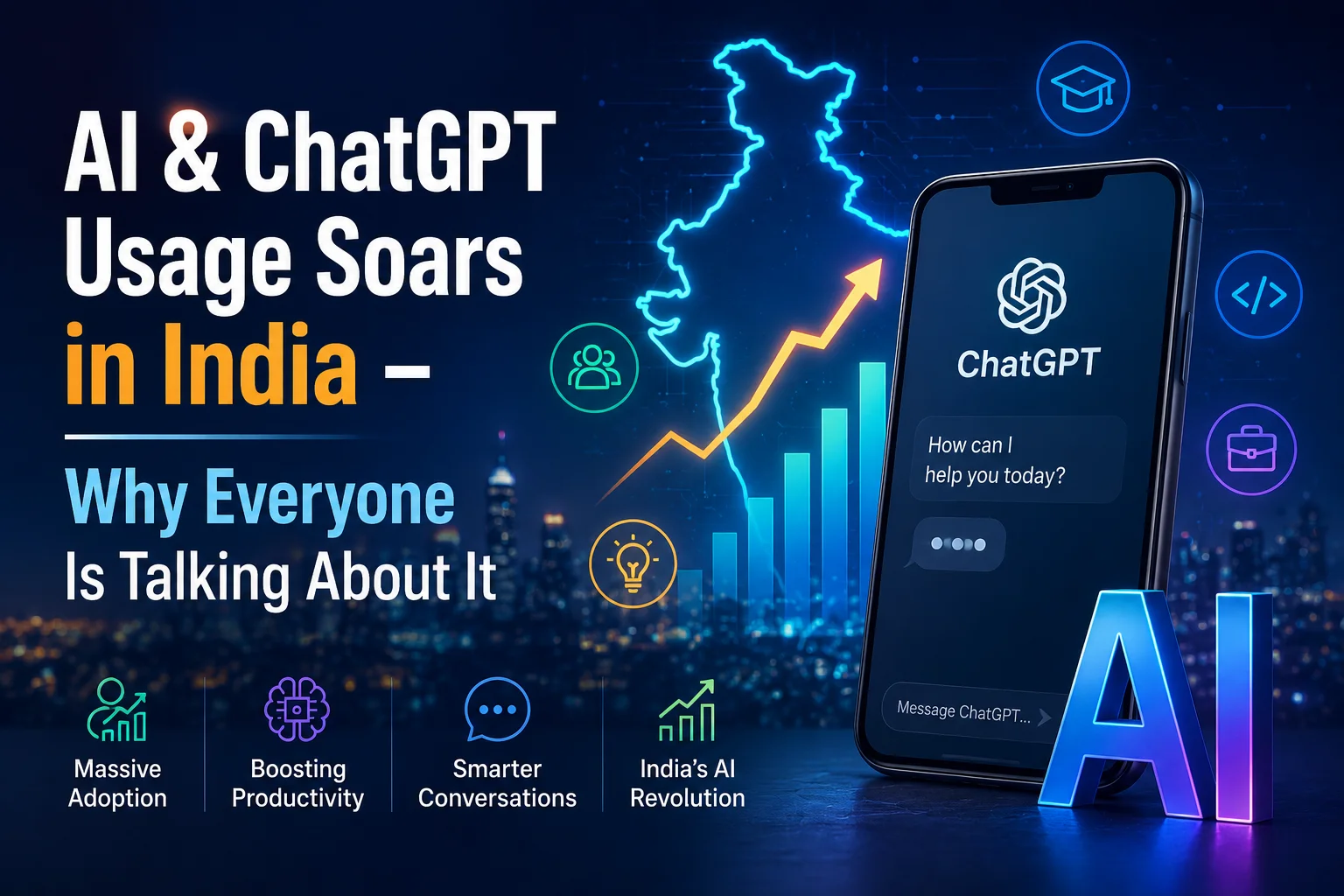
It’s 8 am IST and my X feed is already saturated with screenshots of Sam Altman’s tweet: “India now has 100 M weekly active ChatGPT users – second only to the US.” The post has more than 20 k likes and a thread of recruiters, students and ed‑tech founders debating the next wave of AI‑powered tools. If you’re a developer, a college student, a startup founder or just a tech‑curious Tamil reader, you need a quick briefing on what this surge means for you.
The headline numbers
- 100 million weekly active ChatGPT users – a figure announced by OpenAI’s CEO at the India AI Impact Summit.
- 78 % jump in AI‑related Google searches over the past week, driven by keywords like “ChatGPT for coding”, “AI exam help” and “ChatGPT Go free”.
- 9 % month‑on‑month rise in AI‑related job postings on portals such as Naukri.com and LinkedIn, especially for prompts‑engineering and AI‑product roles.
What’s driving the boom?
Three forces are converging:
- Affordability: OpenAI released a sub‑$5 tier called ChatGPT Go in late 2025 and made it free for Indian users for a whole year. This price point is ideal for students on a tight budget.
- Education sector adoption: Over 30 % of India’s top engineering colleges now list ChatGPT as an “allowed” tool for coding assignments. Google’s AI‑Pro plan – free for Indian students for one year – has also added fuel to the fire.
- Local language support: Recent updates let ChatGPT understand and generate text in Hindi, Tamil, Telugu, Bengali and Marathi with comparable accuracy, opening the floodgates for non‑English users.
How the surge is reshaping the ecosystem
1. New product launches
Several Indian startups have rolled out AI‑enhanced services to capture the momentum:
- Promptly.ai – a marketplace for ready‑made prompts in regional languages, now boasting 150 k monthly active users.
- StudIQ – a tutoring platform that integrates ChatGPT for instant doubt‑clearing, reporting a 2.3× increase in session time since March.
- CodeBuddy – a VS Code extension that streams ChatGPT responses in real‑time, now bundled with a ₹999 annual license for Indian developers.
2. Hiring frenzy
Tech recruiters are posting “Prompt Engineer” and “AI Integration” roles faster than ever. According to a report by Xpheno, the number of AI‑focused openings grew 9 % in March alone, with Bengaluru, Hyderabad and Pune leading the charge.
3. Policy chatter
While the adoption curve is steep, policymakers are trying to catch up. The Ministry of Electronics & Information Technology has opened a public‑feedback window (closing 14 April) on draft rules that could make AI‑generated content subject to stricter labeling requirements. The debate is heating up on X with the hashtag #AIRegulationIndia.
4. Impact on traditional education
Several universities have issued statements warning against “over‑reliance” on generative AI for assignments. However, a survey by the Indian Institute of Technology Madras shows that 68 % of students use ChatGPT for brainstorming code, and 53 % for drafting essays.
What this means for you
| Audience | Opportunity | Risk / Action |
|---|---|---|
| Students | Free AI tools for study‑aid, project brainstorming, coding practice. | Watch out for plagiarism policies; use AI as a supplement, not a shortcut. |
| Developers | New integrations (APIs, VS Code extensions) boost productivity; freelance prompt‑engineering gigs. | Secure your API keys; be aware of data‑privacy clauses in vendor contracts. |
| Start‑ups | Leverage AI for rapid MVP development, customer support chatbots, localized language models. | Plan for upcoming compliance rules on AI‑generated content. |
| Investors | AI‑focused startups seeing 3‑5× valuation bumps; early‑stage funding rounds hot. | Perform due‑diligence on data‑sourcing and regulatory exposure. |
Future outlook – what to watch for in the next 6‑12 months
- Localized large language models: Companies like Anthropic and Google are training 70+ language models tuned for Indian dialects; expect a wave of “Made‑in‑India” AI services.
- Regulatory tweaks: The Ministry may enforce mandatory AI‑labeling and stricter data‑localisation, which could affect how startups store user queries.
- Hardware acceleration: Tata‑OpenAI’s 100 MW compute partnership announced at the AI Impact Summit will lower latency for Indian users, making real‑time AI applications more viable.
Quick takeaways
- India is now OpenAI’s second‑largest market with >100 M weekly users.
- Affordability, regional language support and education‑sector adoption are the main catalysts.
- New AI‑centric jobs, startups and product launches are reshaping the tech landscape.
- Regulators are scrambling; keep an eye on upcoming labeling rules.
FAQs
- Q: Is the “ChatGPT Go” free forever?
A: No. The free‑for‑a‑year offer ends on 31 December 2026. After that a ₹199/month subscription is expected. - Q: Can I use ChatGPT for exam preparation?
A: Technically yes, but many Indian universities are updating honor‑code policies to flag AI‑generated answers. Use it for conceptual help, not direct answer copying. - Q: Will the new IT‑regulation affect AI tools?
A: The draft suggests AI‑generated content must carry a visible disclaimer. Non‑compliant platforms could lose safe‑harbour protection under Section 79. - Q: Which Indian city has the most AI‑related job postings?
A: Bengaluru leads with ~35 % of the nation’s AI job ads, followed by Hyderabad and Pune.
So, whether you’re a coder looking to speed up debugging, a student hunting for quick explanations, or an investor scouting the next AI unicorn, the surge in ChatGPT usage is a signal that India is entering a new era of AI‑first productivity. Stay tuned, experiment responsibly, and keep an eye on the policy updates – they’ll shape the next chapter of this digital wave.




Comments (0)
Be the first to comment!