


Key Takeaways
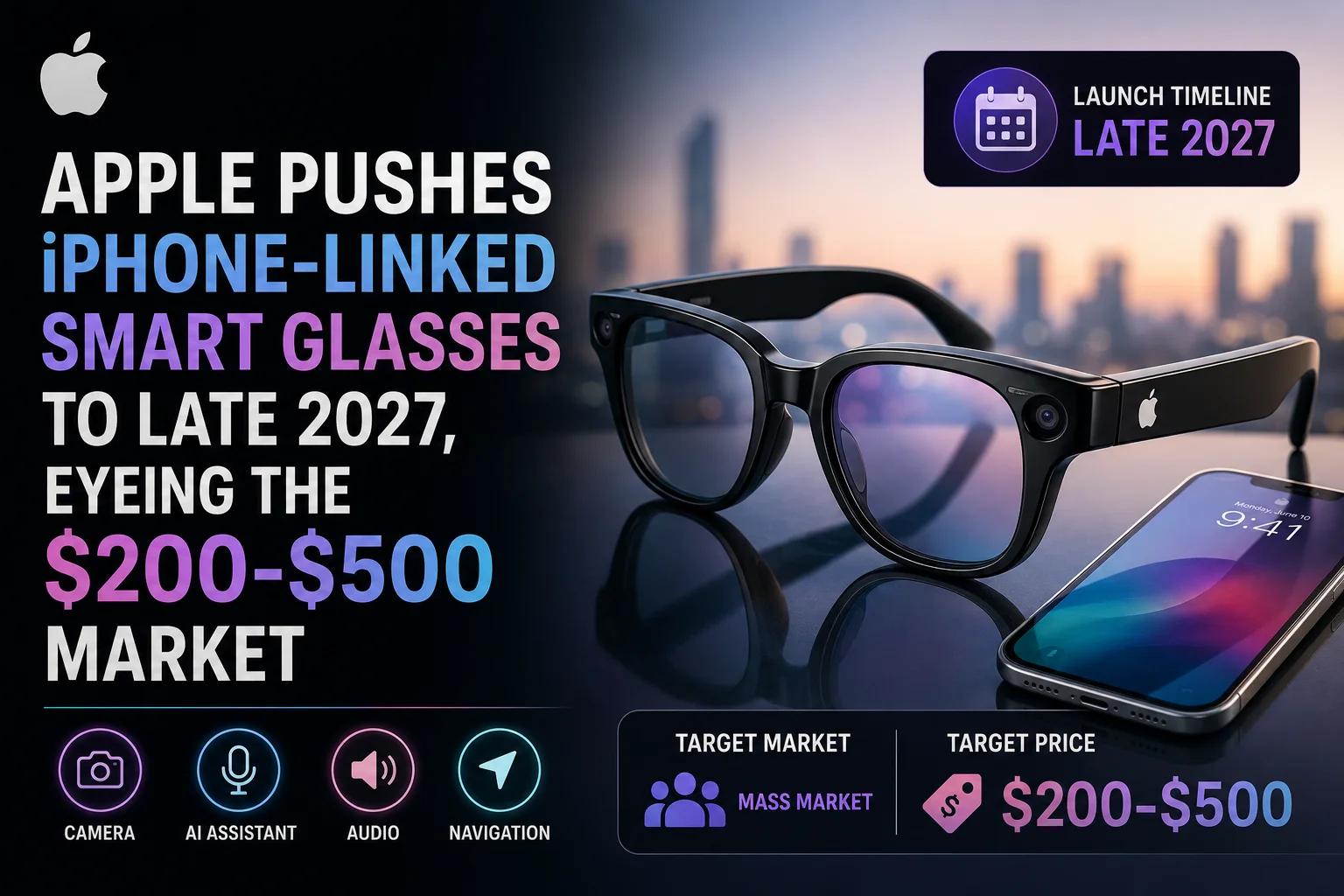
- Apple now expects its first iPhone‑linked smart glasses to ship in late 2027.
- The glasses will target the $200‑$500 (≈₹16,500‑₹41,000) mid‑tier AR eyewear market.
- In India, Apple plans a launch price around ₹30,000, positioning the device against JioGlass and local AR start‑ups.
- Expect a tight integration with iPhone 15‑series cameras and a subscription model for AR content.
Alright, let’s cut to the chase. Apple just announced that its much‑rumoured AR glasses, code‑named "Apple Vision," won’t see the light of day until the tail‑end of 2027. That’s a full two‑year push from the original 2025 timeline we all were waiting for.
What’s the news?
Apple’s senior VP of hardware, John Giannandrea, told analysts at the latest WWDC‑style briefing that the engineering team needs more time to perfect the optics, battery life and the seamless iPhone‑to‑glasses hand‑off. The company is now aiming for a “late‑2027” consumer rollout, with a “developer preview” slated for early 2027.
Details and specs we know so far
Even though Apple kept most of the hardware specs under wraps, the leaks that have been floating around the tech community paint a fairly clear picture:
- Form factor: Lightweight titanium frame, 45 mm lenses, “glass‑like” transparency for everyday wear.
- Display: Dual micro‑OLED panels, 4K per eye, 120 Hz refresh, HDR‑10 support.
- Processor: Apple‑designed R‑Series SoC, likely built on a 3 nm process – similar performance to the M2 chip.
- Battery: 48 Wh solid‑state pack, promising up to 6 hours of continuous AR.
- Connectivity: Ultra‑wideband (UWB) for precise iPhone hand‑off, Wi‑Fi 6E, Bluetooth 5.3.
- Sensors: Lidar, depth camera, eye‑tracking, 6‑DoF IMU, ambient light sensor.
- Software: VisionOS 2, built on iOS 18, with a new “AR Hub” that lives inside the iPhone Settings app.
Pricing is the big question for Indian buyers. Apple’s target price range is $200‑$500, which translates to roughly ₹16,500‑₹41,000. Sources say the base model will be priced at around $299 (≈₹30,000) in India, with a higher‑end version at $449 (≈₹45,000) that adds a premium titanium frame and extra storage.
Why India matters
India’s AR eyewear market exploded in 2024‑2025, thanks to aggressive pricing from JioGlass (₹12,999) and a wave of local startups offering educational and enterprise AR apps. According to a Counterpoint report, the $200‑$500 segment will hit $1.2 billion in 2026, up 38 % YoY. Apple’s entry could reshape the competitive landscape in two ways:
- Brand pull: Apple’s ecosystem lock‑in is strong. iPhone users will likely adopt Vision glasses for seamless hand‑off, AirDrop‑style content sharing, and Apple‑first AR experiences.
- Content ecosystem: Apple is already courting Indian developers with VisionOS SDK grants, promising revenue splits that beat the 70/30 norm of the App Store.
What does this mean for Indian consumers?
First, expect a staggered rollout. Apple will likely launch the glasses in major metros – Delhi, Mumbai, Bengaluru, Hyderabad – before expanding to Tier‑2 cities. Second, the price point will sit above JioGlass but below premium Chinese AR headsets like the Nreal Light Pro (₹55,000). Third, Apple will push a subscription model for AR content (think Apple AR + at ₹499/month) that bundles games, navigation, and shopping experiences.
TamilTech’s take – the pros and cons
Pros:
- Deep iPhone integration – you’ll be able to glance at a notification, see a navigation arrow, or watch a live stream without pulling out your phone.
- High‑quality optics – Apple’s R‑Series chip and micro‑OLED panels promise crisp visuals that cheap competitors lack.
- Strong developer push – Indian AR developers will get early access, meaning local content could appear faster than elsewhere.
Cons:
- Price still premium for most Indian users; even the base ₹30,000 model is a big spend.
- Battery life – 6 hours is decent but far from all‑day use, especially in hot Indian climates.
- App ecosystem is still nascent – most AR apps are still in beta; you may end up with a beautiful device but few useful apps at launch.
Overall, Apple’s delayed launch feels like a strategic move. By waiting until late 2027, they can learn from the early missteps of competitors, lock in more Indian developers, and ship a product that finally lives up to the hype. If you’re an iPhone 15‑plus owner who loves Apple’s design language, it’s worth budgeting for a ₹30‑₹45k device. If you’re price‑sensitive, JioGlass or local AR headsets will still be the better bet for now.
What to expect next?
Keep an eye on these milestones:
- Q1 2027 – Developer preview devices sent to 500 Indian AR studios.
- Q2 2027 – VisionOS 2 beta released on iOS 18, with a public “AR Hub” app.
- Q3 2027 – Pre‑order campaign in India, likely bundled with an iPhone 15‑plus upgrade offer.
- Q4 2027 – Official retail launch in Apple Stores and select online partners (Flipkart, Amazon India).
So, if you’re planning your tech budget for 2027, start setting aside a chunk for Apple Vision, especially if you want the premium AR experience that integrates perfectly with your iPhone ecosystem.




Comments (0)
Be the first to comment!