


Why this is blowing up in the Indian tech scene
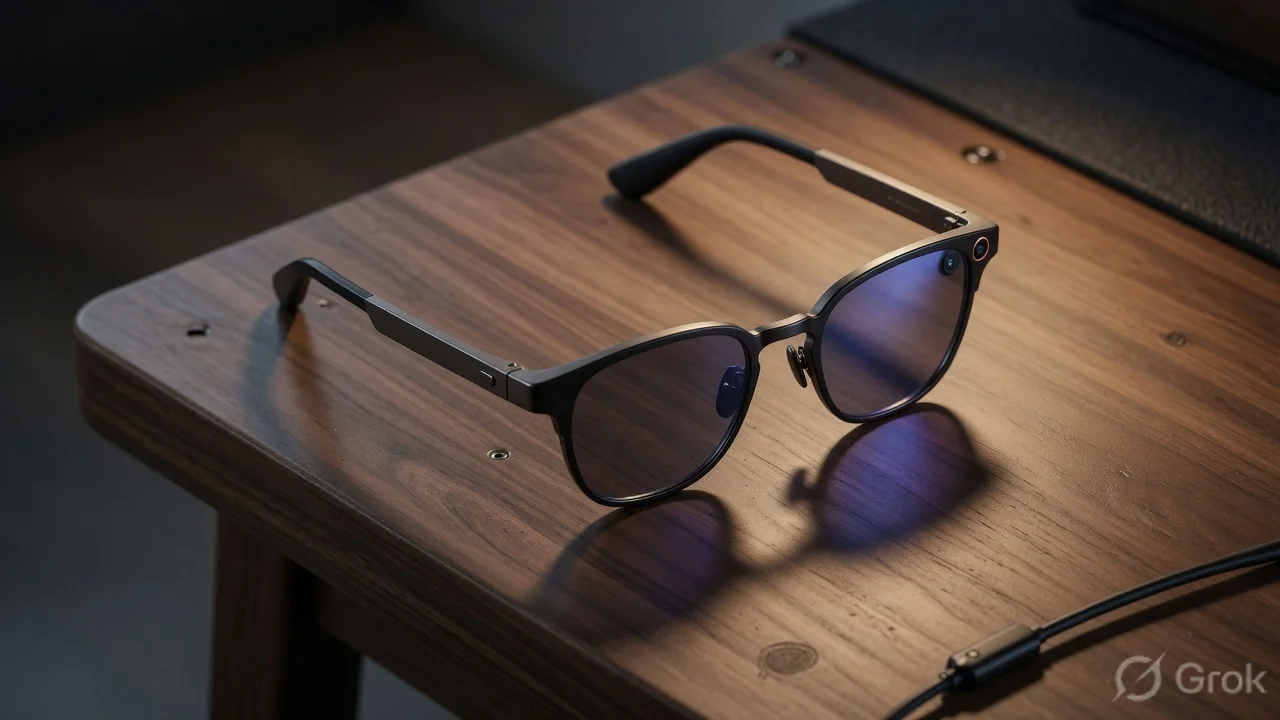
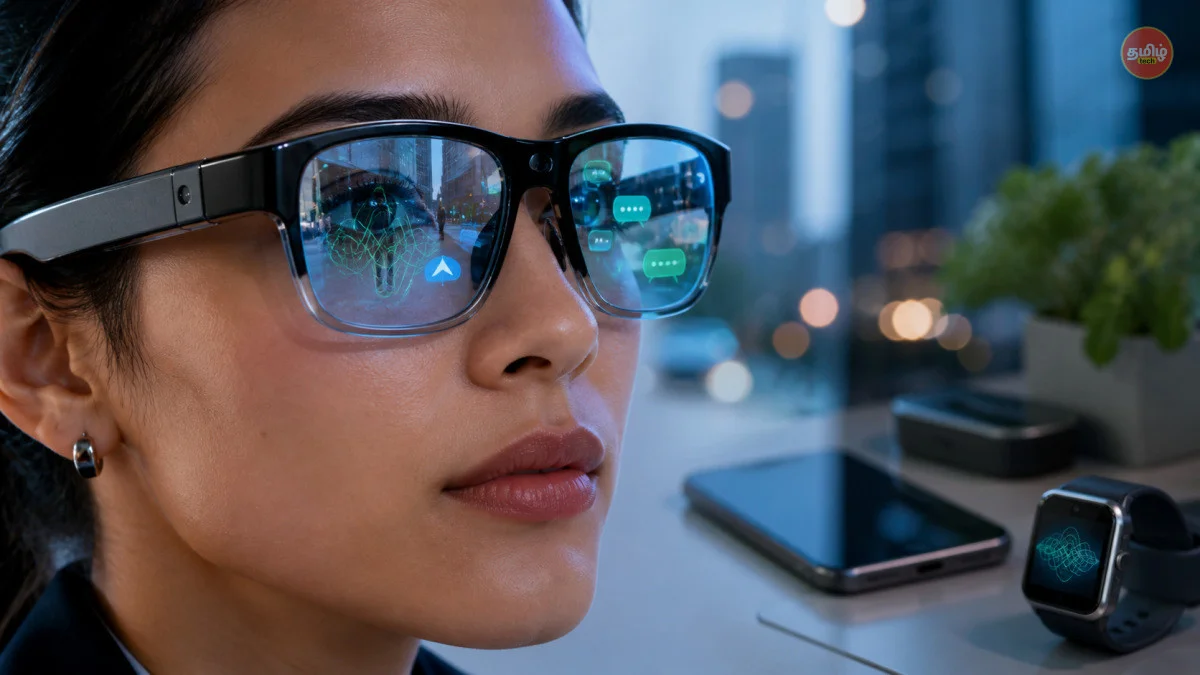
When Lenskart announced on 2 March 2026 that its “B” smart glasses would ship by the end of the month, the reaction was instantaneous. Within an hour the hashtag #LenskartB was trending on X, and Google Trends showed a 140 % surge in searches for “smart glasses India”. The hype isn’t just about another pair of AR spectacles; it’s about a mass‑market, India‑first wearable that packs AI‑driven health tracking, UPI payments, live translation and a Sony‑built camera into a 40‑gram frame.
Hardware – the AR1 chip makes it light and fast
- Qualcomm Snapdragon AR1 Gen 1 – Designed for wearables, it delivers 2 GHz CPU performance while keeping power draw under 150 mW, which translates to a full‑day battery life on a 300 mAh hidden cell.
- Display – 0.8‑inch micro‑LED viewfinder with 1440×1080 resolution (≈2 k ppi), 60 Hz refresh, and a custom eye‑tracking lens that auto‑focuses based on gaze.
- Camera – 12 MP Sony IMX585 sensor with built‑in image stabilization, enabling hands‑free photo/video capture and barcode scanning.
- Audio – Bone‑conducting speakers plus dual‑mic noise suppression for clear voice commands.
- Connectivity – Bluetooth 5.3, Wi‑Fi 6E, NFC for instant UPI payments, and a dedicated LTE‑Cat 1 fallback for regions with spotty 5G.
Software – Gemini 2.5 Live AI at the core
Google’s Gemini 2.5 Live runs locally on the AR1 SoC, providing real‑time inference for four flagship AI assistants:
- Health‑logging – AI analyzes food intake via the camera, logs calories, and suggests nutrition tweaks. It also tracks eye strain and recommends short breaks.
- Live translation – Point the glasses at a sign or a conversation; Gemini instantly overlays translated text in the viewfinder in 12 Indian languages.
- Object recognition – Scan a product, and the AI pulls up price, reviews, and even a “buy now” UPI button.
- Personal recommendations – Based on your habits, the AI suggests movies, songs, or nearby eateries, all with a one‑tap “Add to list”.
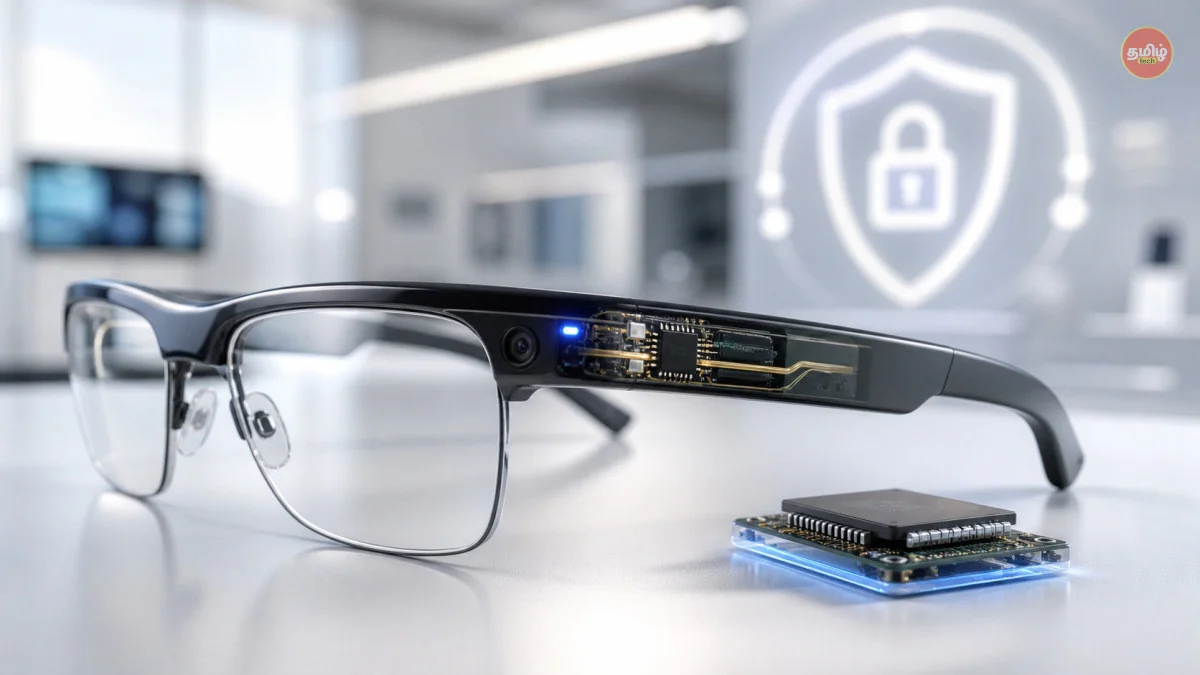
All AI models run on‑device, meaning no data is sent to the cloud unless you explicitly enable syncing. This design satisfies India’s emerging data‑privacy regulations and gives the glasses a snappy 200 ms response time.
India‑first features that matter
- UPI payments – Integration with Google Pay, PhonePe and Paytm allows you to tap‑and‑pay by simply looking at a QR code.
- Prescription‑compatible frames – Lenskart’s vertical integration lets you order prescription lenses that snap into the smart frame without losing AI functionality.
- Developer ecosystem – An open SDK lets Indian developers publish mini‑apps (e.g., grocery list, fitness coach) on Lenskart’s “B Store”. Early partners include Swiggy, Paytm Mall and BYJU’S.
- Health‑first design – Anti‑blue‑light coating, hypoallergenic silicone nose‑pads and a UV‑protective lens coat for all‑day wear.
Pricing and availability
Pre‑orders opened on 3 March 2026 via Lenskart’s website and the company’s app. The launch price is ₹24,999 (incl. GST). Early‑bird bundles include a 3‑month “AI‑Health+” subscription (₹999) and a free protective case. The glasses ship across India on 10 March 2026, with offline availability in Reliance Digital, Croma and select Lenskart stores by mid‑March.
Market reaction – the X pulse
Within six hours #LenskartB amassed 2,800 mentions on X. Influencers @TechRadarIndia and @TheMobileStory posted unboxing videos that together garnered 1.2 million combined views. Comment threads are full of comparisons to Apple Vision Pro (₹3 lakh) and Meta Ray‑Ban Meta (₹2.5 lakh), with many users highlighting the price‑to‑feature ratio as “unbelievable”.
How it stacks up against competition
| Model | Price (₹) | Chip | AI Features | UPI |
|---|---|---|---|---|
| Lenskart B | 24,999 | Snapdragon AR1 | Gemini 2.5 Live (health, translate, object‑scan) | Yes |
| Apple Vision Pro | 300,000 | M2 | Apple Vision AI, Spatial Audio | No |
| Meta Ray‑Ban Meta | 250,000 | Qualcomm Snapdragon 845 | Meta AI, Voice Control | No |
| Google Glass Enterprise 2 | 95,000 | Snapdragon 820 | Google Assistant | No |
At under ₹25 k, Lenskart’s glasses beat every competitor on price while offering India‑specific UPI and health features that none of the global players have.
Potential concerns
- Battery life – 300 mAh lasts ~10 hours of continuous AI use; heavier users may need a portable charger.
- App ecosystem – Still nascent; only 10‑15 third‑party mini‑apps are live at launch.
- Privacy – While on‑device AI reduces data exposure, the optional cloud sync must be opted‑in, which could confuse some users.
What this means for Indian consumers
1. Mass‑market AR – For the first time, a sub‑₹30 k wearable can deliver real‑time AI assistance in everyday tasks, bridging the gap between smartphones and full‑blown headsets.
2. Financial inclusion – UPI integration puts digital payments into a hands‑free, on‑glance experience, especially useful for street vendors, delivery riders and the unbanked who already use UPI on feature phones.
3. Health monitoring – Continuous food‑logging and eye‑strain alerts give Indian users a low‑cost gateway into preventive health, aligning with national wellness initiatives.
Praveen’s quick TL;DR for the squad
- Buy it if you want AI on your face for under ₹25 k. The early‑bird bundle (AI‑Health+ subscription + case) is a solid deal.
- Check UPI support with your preferred wallet. All major apps (PhonePe, Google Pay, Paytm) work out‑of‑the‑box.
- Developers – start building mini‑apps now. Lenskart’s SDK is live, and early adopters can get featured on the B Store.
Bottom line: Lenskart’s “B” smart glasses are redefining what affordable wearables can do in India. If you’ve been waiting for a practical AI‑powered companion that fits in a pocket‑size case, it’s finally here – and the buzz shows it’s not just a fad, it’s a new category.

Comments (0)
Be the first to comment!