


Key Takeaways
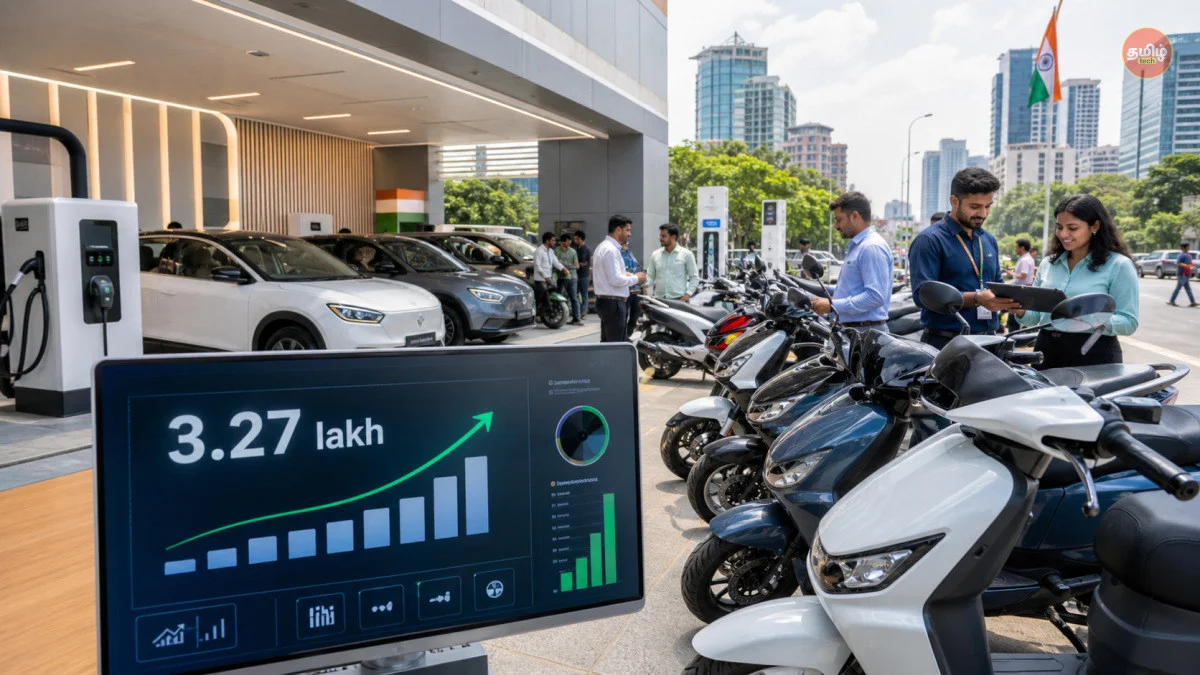
- 3.27 Lakh Units Sold: EV retail sales in July 2026 hit a new all-time high, marking a significant milestone for the Indian electric mobility sector.
- Two-Wheeler Dominance: The two-wheeler segment was the primary growth driver, with sales skyrocketing by 162% compared to July 2025.
- Passenger Vehicle Strength: Passenger EVs (including cars and buses) also contributed significantly, with sales up 107% year-on-year.
- FADA Data Source: The Federal Automobile Dealers Association (FADA) released the official figures, confirming the robust market demand.
- Market Momentum: This record-breaking performance indicates strong consumer adoption and a rapidly maturing EV ecosystem in India.
What's the News
The Indian electric vehicle market is on fire. According to the latest data from the Federal Automobile Dealers Association (FADA), retail sales of electric vehicles crossed the 3 lakh mark for the first time in July 2026, reaching an impressive 3.27 lakh units. This isn't just a number; it's a clear signal that the EV revolution in India has moved from a niche trend to a mainstream movement. The momentum seen in the first half of the year has only accelerated, with July setting a new benchmark for monthly sales.
Details
The July 2026 figures paint a picture of a market in hyperdrive. The two-wheeler segment was the undisputed champion, contributing massively to the overall sales. With a staggering 162% year-on-year growth, electric scooters and motorcycles are becoming the first choice for a new generation of Indian commuters looking for affordable and efficient personal transport. The affordability, combined with rising fuel prices and government incentives, has clearly struck a chord with consumers.
The passenger vehicle segment, which includes electric cars and buses, also showed incredible strength with a 107% jump in sales. This growth indicates that consumers are now seriously considering electric cars for their daily commutes and families. The expansion of charging infrastructure in major cities and along highways is likely playing a crucial role in easing range anxiety, a key barrier to adoption. Manufacturers have also been competitive with pricing and features, making EVs a more viable option for a broader segment of the population.
India Impact
This record-breaking sales figure has significant implications for India's economic and environmental goals. For the economy, it signals a booming domestic industry, creating jobs in manufacturing, sales, and the burgeoning charging infrastructure sector. It also reduces India's dependence on imported fossil fuels, strengthening energy security. From an environmental perspective, this surge in EV adoption is a massive step towards reducing urban air pollution and cutting down the country's carbon footprint. It aligns perfectly with India's commitments under the Paris Agreement and its push for sustainable development.
Use Cases
The success of EVs in India is driven by their practical applications in the Indian context. For two-wheelers, they offer a low-cost, low-maintenance alternative to petrol scooters, ideal for daily travel in congested city traffic. For passenger cars, they are becoming a viable option for city dwellers and families who want to reduce their running costs and environmental impact. Commercial fleets, including delivery vehicles and buses, are also rapidly electrifying, as the lower total cost of ownership is a huge benefit for businesses. The government's push for electric buses in public transport systems across various states is further fueling this commercial segment.
Honest Take
While the 3.27 lakh unit figure is fantastic news, it's important to keep things in perspective. The base was quite low a few years ago, so percentage growth looks dramatic. The real test will be sustaining this momentum and making EVs accessible to consumers in smaller towns and rural areas. The challenge of charging infrastructure outside major metros remains, as does the high initial cost of electric cars for the average Indian family. However, the July numbers are a powerful testament to the fact that the demand is real and the market is ready. If manufacturers and the government can continue to work on reducing costs and expanding the charging network, this record won't just be a one-off; it'll be the new normal.




Comments (0)
Be the first to comment!