Key Takeaways#
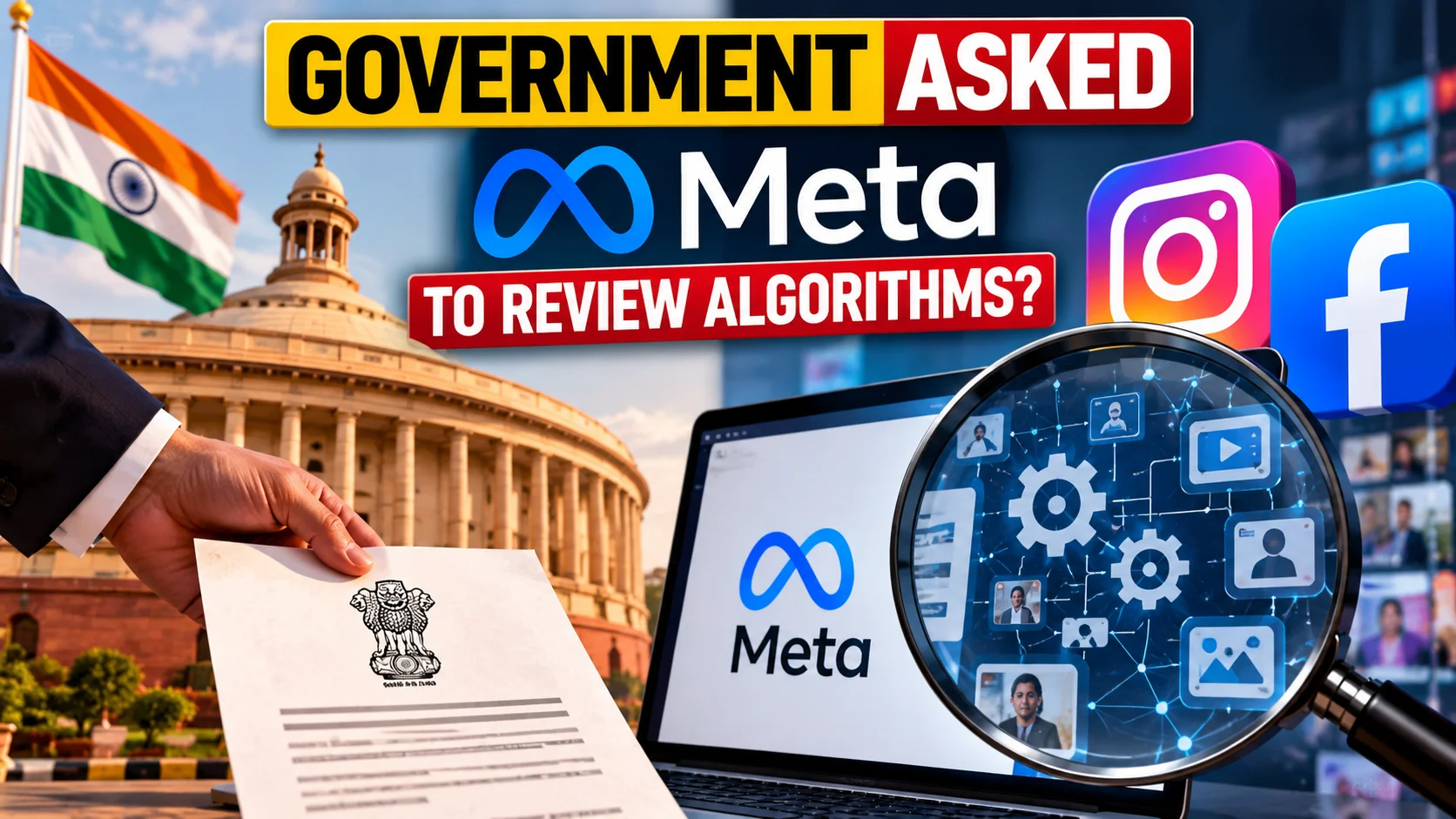
- The Indian government is examining Meta's recommendation systems as part of its review of the company's intermediary status.
- This move signals a potential shift in how social media platforms are regulated in India, focusing on algorithmic content curation.
- The scrutiny comes amid growing concerns about misinformation, user safety, and the influence of algorithms on public discourse in India.
What's the news#
The Indian government has initiated a formal examination of Meta Platforms Inc.'s recommendation
algorithms, including those used on Facebook and Instagram. This review is part of a broader assessment of Meta's
compliance as an intermediary under Indian law. The move is not a new development, but a deepening of existing concerns about how these systems operate and their impact on society. The government's focus is on understanding whether these algorithms, which decide what content users see, should be treated differently from the content users directly post.
Details#
The examination centers on Meta's automated content curation systems. Unlike user-generated content, which is typically protected under intermediary laws, algorithmic recommendations are increasingly seen as a form of content curation that could attract liability. The government is reportedly looking into how these systems prioritize content, whether they adequately filter harmful material, and what safeguards are in place to prevent the spread of misinformation. This is a complex issue, as recommendation systems are the core of the social media experience, designed to maximize
user engagement. The challenge for regulators is to balance this with the need to protect users from potential harm.
India impact#
This development has significant implications for India's digital ecosystem. With over 450 million users on Meta platforms, the impact is widespread. A change in how these platforms are regulated could force Meta to alter its algorithms, potentially affecting user experience and
business models. For Indian users, this could mean seeing less controversial or potentially harmful content, but also a less personalized feed. The move also sets a precedent for how other tech giants like Google (YouTube), X (formerly Twitter), and homegrown platforms like ShareChat might be treated. It signals a shift from just regulating the platform to regulating the technology that powers it.
Use cases#
The government's scrutiny could lead to several potential outcomes. One is a requirement for greater transparency from Meta about how its algorithms work. Another could be mandatory audits of these systems by independent bodies to ensure they are not promoting illegal or harmful content. A third possibility is the implementation of a 'duty of care' for platforms, making them legally responsible for the content their algorithms promote. This could force companies to invest more in content moderation and safety features, which could ultimately benefit users but might also lead to more conservative content curation.
Honest take#
While the government's intent to protect citizens is clear, this heavy-handed approach could backfire. Over-regulating algorithms might stifle innovation and lead to a bland, less engaging internet experience. The real challenge is creating a framework that ensures safety without compromising the open nature of the internet. Instead of a top-down approach, a collaborative effort between the government, tech companies, and civil society might yield better results. For now, Indian users should be aware that the content they see is not just a matter of personal choice but is heavily influenced by systems that are now under the scanner. The outcome of this review will shape the future of social media in India for years to come.








Comments (0)
Be the first to comment!