


What the numbers actually mean
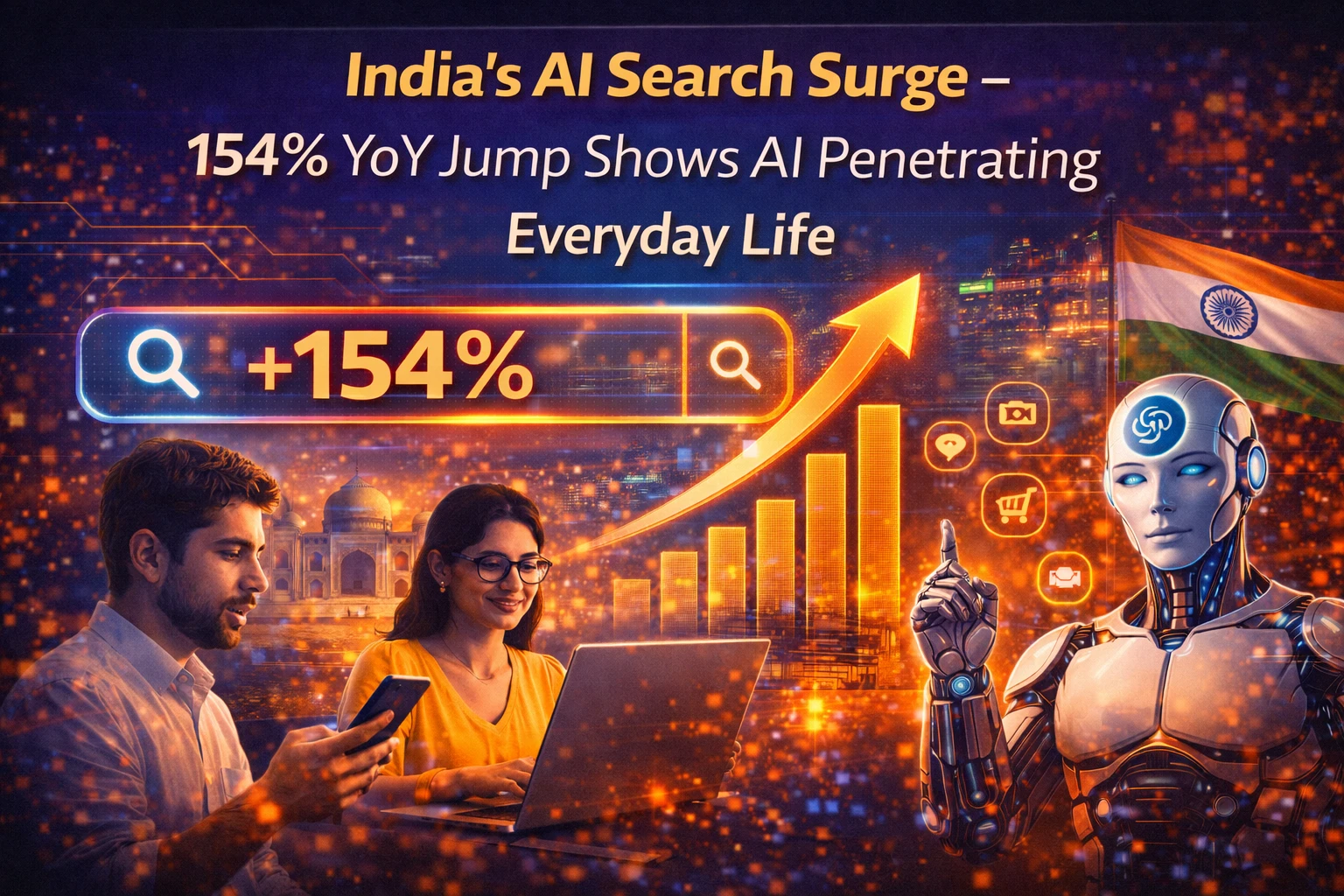
Kantar released its "India in Search 2026" report today and the headline is jaw‑dropping: AI‑related queries jumped 154% YoY, translating to an average of 235 million AI searches every month. That’s a half‑billion extra queries compared to 2025. The surge isn’t limited to tech‑savvy users – it spans spiritual seekers, job‑hunters, students and even housewives.
Two of the most eye‑catching spikes are “Mahabharat AI”, up 400%, and “job hugging”, up a staggering 2,300%. The former reflects people asking chatbots to explain the ancient epic in modern language, while the latter is a backlash to AI‑driven layoffs – workers are scrambling to become indispensable.
Why this is trending right now
- AI tools are finally affordable. Free ChatGPT accounts, regional language models and low‑cost Indian‑hosted bots mean anyone with a smartphone can type a prompt and get an answer instantly.
- Search engines are the default AI gateway. Google has woven Bard‑like features into its search box, so users simply type what they need instead of opening a separate app.
- Life‑changing use‑cases. From transcribing college lectures in Hindi to drafting resumes, budgeting, or even asking a “Mahabharat AI” for a quick moral lesson before an exam, AI is now a daily utility.
Spirituality meets silicon
The 400% rise in “Mahabharat AI” is more than a curiosity. Over the last year a wave of chatbots trained on Sanskrit texts have exploded on YouTube, Instagram and local app stores. Users ask the AI to summarize a Parva, explain a character’s motivations, or generate a modern‑day moral story based on a verse. The same pattern appears for “Gita GPT”, where people look for concise, English‑or‑Tamil explanations of Bhagavad Gītā verses to settle a family debate or write a short speech.
The “job‑hugging” phenomenon
Before the pandemic we heard “quiet quitting” – employees doing the bare minimum. In 2026 the narrative has flipped. With AI automating routine coding, data entry and even basic customer support, a new anxiety has emerged: if you’re not adding unique value, you might be the next lay‑off. The term “job hugging” now dominates searches for advice on how to showcase soft skills, get AI‑augmented certifications, or negotiate extra responsibilities. It’s a clear sign that AI isn’t just a tech story – it’s reshaping workplace culture.
What’s changing in the daily grind
- Transcription tools. 120 million monthly queries for “AI transcription Hindi” and “AI note‑taking Tamil” show students and professionals turning to AI to capture lecture notes in regional languages.
- Resume generators. Keywords like “AI resume builder free” have jumped 85%, especially among recent graduates who want a quick, ATS‑friendly document.
- Personal finance assistance. Searches for “AI budgeting app India” and “ChatGPT loan calculator” are up 60%, indicating people are using AI to model monthly budgets and compare EMIs before a big purchase.
Impact on the Indian tech market
For startups and established players, the surge is a double‑edged sword. Companies that provide AI‑as‑a‑service (AaaS) see an influx of paid users, especially in the “enterprise‑lite” tier for small businesses. At the same time, large IT service firms like TCS and Infosys are feeling pressure to retrain staff as routine coding tasks become automated.
Start‑ups focused on AI‑powered education, regional language NLP and low‑cost AI assistants are raising more seed capital than ever. According to a Tracxn snapshot, AI‑edtech funding in India grew 45% YoY in Q1 2026, with a noticeable tilt toward products that can be accessed via a simple search query.
Praveen’s take
If you haven’t tried a local AI chatbot for a quick “Mahabharat AI” summary, or used a free transcription tool for your lecture notes, now’s the time. The data says millions of Indians are already doing it, and the search trends will only get stronger as the tools get smarter.
Bottom line: AI is no longer a headline‑only story – it’s a tool we’re already using to study, work and even pray. The “job hugging” surge tells you that the next career‑proof skill isn’t just learning a new programming language; it’s learning how to work with AI, not against it.




Comments (0)
Be the first to comment!