


Key Takeaways
- Instagram reel on Google’s Vizag data centre was blocked in India on 22 May 2026 under Section 79(3)(b) of the IT Act.
- Journalists found the same reel available again in India on 10 September 2026 — exactly 111 days later.
- No public explanation has been offered for the original takedown or the quiet restoration.
- The episode shows how intermediary rules can remove content about major Indian tech infrastructure without transparency.
- Indian users can view the reel again, but creators covering data centres and big-tech projects still face opaque moderation risks.
What's the news
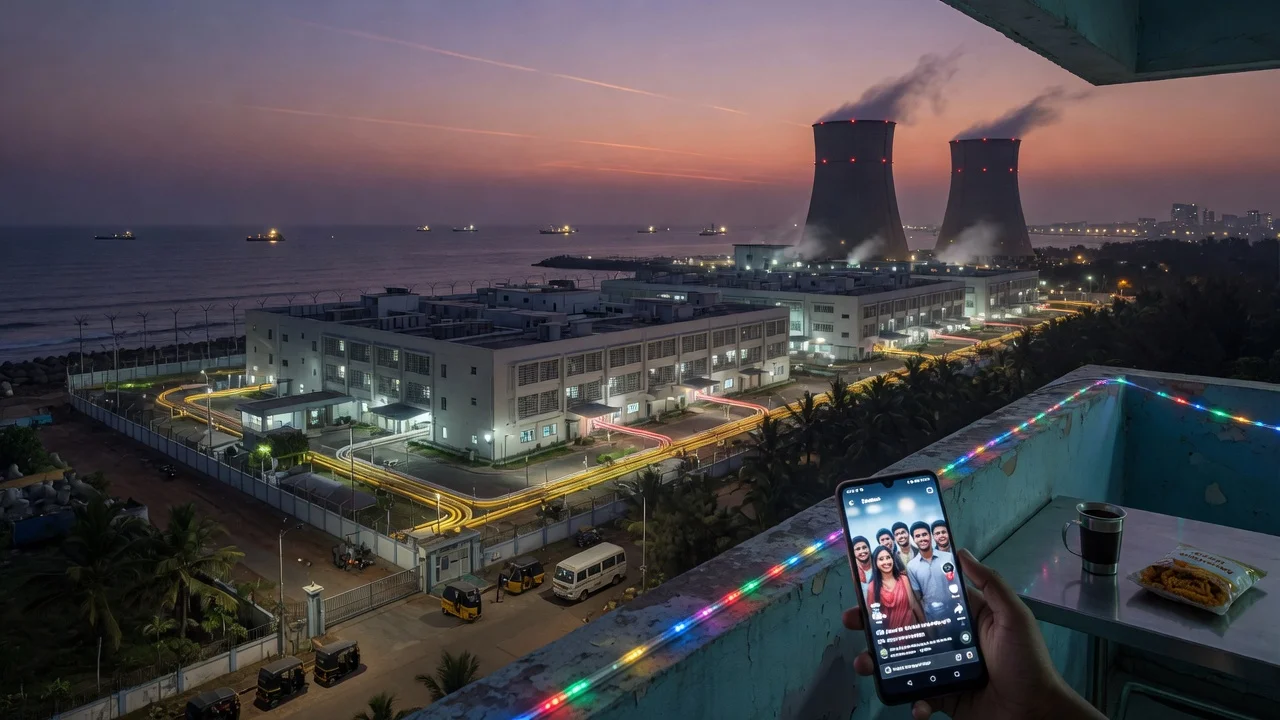
An Instagram reel discussing Google’s data centre project in Vizag (Visakhapatnam) disappeared from Indian users’ view on 22 May 2026. It stayed gone for more than three and a half months. Then, on 10 September 2026, people checking the post noticed it was suddenly playable again inside India. No email, no in-app alert, no press note — just the content sitting there as if nothing had happened.
The block had been carried out under Section 79(3)(b) of the Information Technology Act. That is the clause that lets the government or authorised agencies tell intermediaries (Meta in this case) to disable access to specific material. Once the notice lands, platforms usually act fast. What almost never happens is a clear public statement explaining why a particular reel about a data centre needed to vanish, or why it was later allowed back.
For anyone following India’s booming data-centre story, this quiet flip from blocked to available feels familiar and frustrating at the same time. Big cloud and AI investments are pouring into places like Vizag, yet even basic visual or explanatory content about those sites can disappear without a trail.
Details
Timeline is straightforward. On 22 May 2026 the reel stopped loading for Indian IP addresses and logged-in users. For the next 111 days it remained inaccessible inside the country. On 10 September journalists and regular users testing the link found the video playing normally again. The restoration appears to have been silent — no update from Instagram, no clarification from Meta’s India team, and no statement from the authorities who originally issued the Section 79(3)(b) direction.
Section 79 gives intermediaries a safe harbour if they follow due diligence and act on takedown notices. Clause (3)(b) specifically covers situations where the platform receives actual knowledge or a government order that certain content must be removed or blocked. In practice this means a reel, post or story can be geo-blocked for India overnight. The process is designed for speed, not for public explanation. That is exactly what played out here: speed on the way down, silence on the way back up.
We do not know the precise wording of the original notice or which agency sent it. The topic notes and public checks only confirm the date of the block, the legal section cited, and the date the content reappeared. No one has published the notice text, the reason code, or any review outcome. That information vacuum is the real story.
Google’s Vizag data centre itself is part of the larger wave of hyperscale facilities coming up across India. Visakhapatnam has been positioned as a key location because of power availability, connectivity and state-level push for tech parks. Content that shows construction progress, location context or simple explainers about why Google chose the site is the kind of material Indian audiences actually want. When that material gets yanked for months, the information gap grows.
India impact
Data centres are no longer niche. They sit at the centre of India’s digital economy push — powering everything from UPI transactions and Jio’s cloud offerings to Flipkart-scale logistics and the next wave of AI apps. When an Instagram reel about one of those facilities gets blocked under the IT Act and then restored without a word, it sends a signal to every creator, journalist and citizen who covers infrastructure.
First, opacity hurts trust. Indian users already deal with sudden content removals on social platforms. Adding a 111-day blackout on a non-violent, non-hate topic about a public tech project makes people wonder what else is being quietly filtered. Second, it affects local storytelling. Vizag residents, Andhra Pradesh job seekers, and students looking at career options in cloud computing lose a simple visual reference for months. Third, it puts pressure on smaller creators. A big newsroom can absorb a takedown and keep digging. An independent Instagram creator covering “Google data centre Vizag update” may simply stop posting once they see their reel vanish with no appeal path that feels real.
The IT Act framework is meant to balance free speech with legitimate government concerns. In practice the lack of mandatory public disclosure after a Section 79(3)(b) action leaves everyone guessing. Was the reel showing restricted construction footage? Did it contain a map that someone flagged? Was it a mistaken notice? We still do not know. For a country that wants to be a global data-centre hub, that silence is expensive in credibility terms.
Platforms operating in India already publish transparency reports, but those reports usually lag by months and rarely break down individual cases involving infrastructure projects. Until the process becomes more open, every creator covering Google, Amazon, Microsoft or any other hyperscaler in India will treat Instagram and similar apps as slightly riskier places to post.
Use cases
Now that the reel is back, several practical uses open up again. Tech journalists writing explainers on Google’s India footprint can embed or link the video without worrying it will 404 for Indian readers. Local reporters in Visakhapatnam can use it as a visual reference when they talk about employment or land-use changes around the site. Students and job aspirants preparing for interviews at cloud companies finally have a short, shareable clip that shows the scale of the project.
Policy researchers tracking intermediary liability can treat the 111-day window as a concrete case study: notice issued, content gone, content restored, zero public rationale. Creators who make “data centre tours” or “why companies choose Vizag” style Reels have a reminder that even factual content can hit a temporary wall. Everyday Instagram users who follow tech pages can once again watch and share the reel without hitting a blank screen.
For brands and agencies running campaigns around Digital India or Make in India tech stories, the episode is a cautionary note. Any visual that touches a live construction site or a large foreign investment can theoretically attract a Section 79 notice. Having a backup distribution plan (YouTube, own website, WhatsApp channels) suddenly looks smarter.
Honest take
Look, a data-centre reel should not need 111 days in digital exile. Whatever the original concern was, the complete absence of an explanation after restoration is worse than the block itself. Platforms and the government both know how to send notices quickly. They also know how to stay quiet when the content comes back. That asymmetry is the problem.
India is pouring serious money and political capital into becoming a data-centre and AI hub. Vizag is one of the visible pieces of that bet. Public conversation about these projects — including short Instagram videos — should be able to breathe. When it cannot, and when no one will say why, people fill the gap with speculation. That helps nobody.
Meta and Instagram do not owe every creator a detailed legal memo. But after more than three months of a geo-block on a topic this straightforward, a one-line “restored after review” or “notice withdrawn” would have been basic courtesy. The same goes for the authority that issued the original direction. Transparency reports that arrive six months later do not fix the real-time information blackout Indian users just lived through.
The reel is back. Good. The silence around why it left and why it returned is still sitting there. Until that changes, every creator covering India’s tech infrastructure will keep one eye on the delete button and another on the calendar, wondering how long the next unexplained gap will last.


Comments (0)
Be the first to comment!