


Key Takeaways
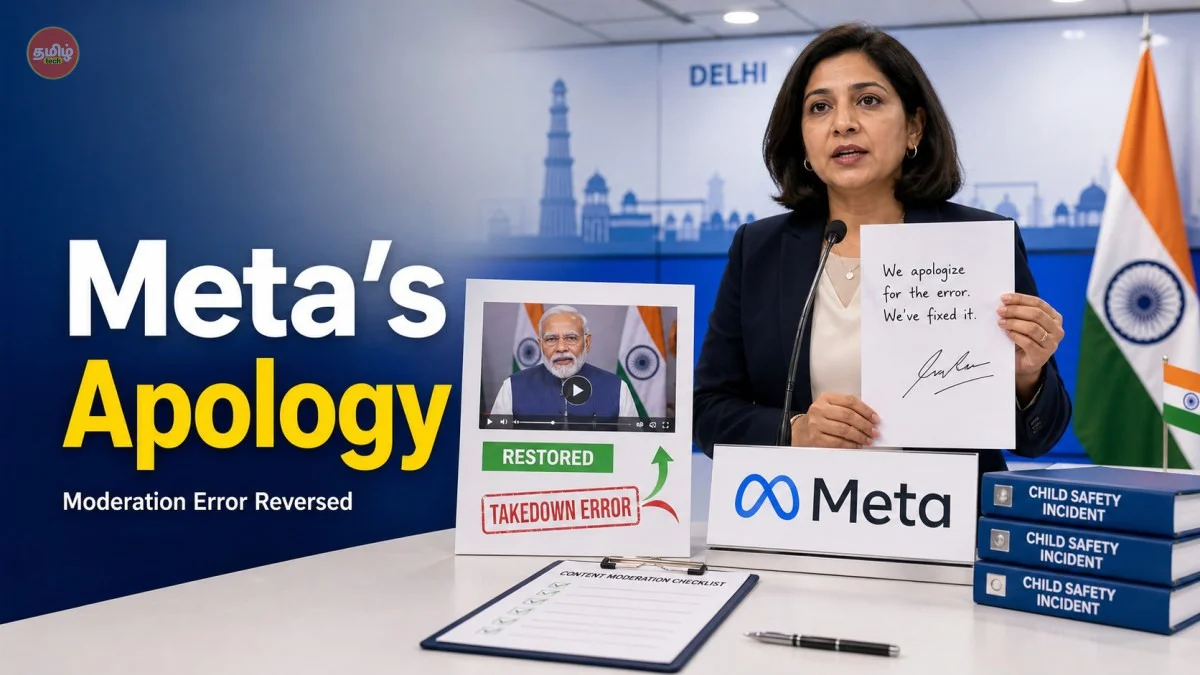
- Meta CEO Mark Zuckerberg officially apologized for the accidental removal of a video featuring PM Narendra Modi, citing a technical glitch in the automated moderation system.
- The company admitted to significant lapses in detecting and removing Child Sexual Abuse Material (CSAM), promising a $5 billion investment in safety tech by the end of 2026.
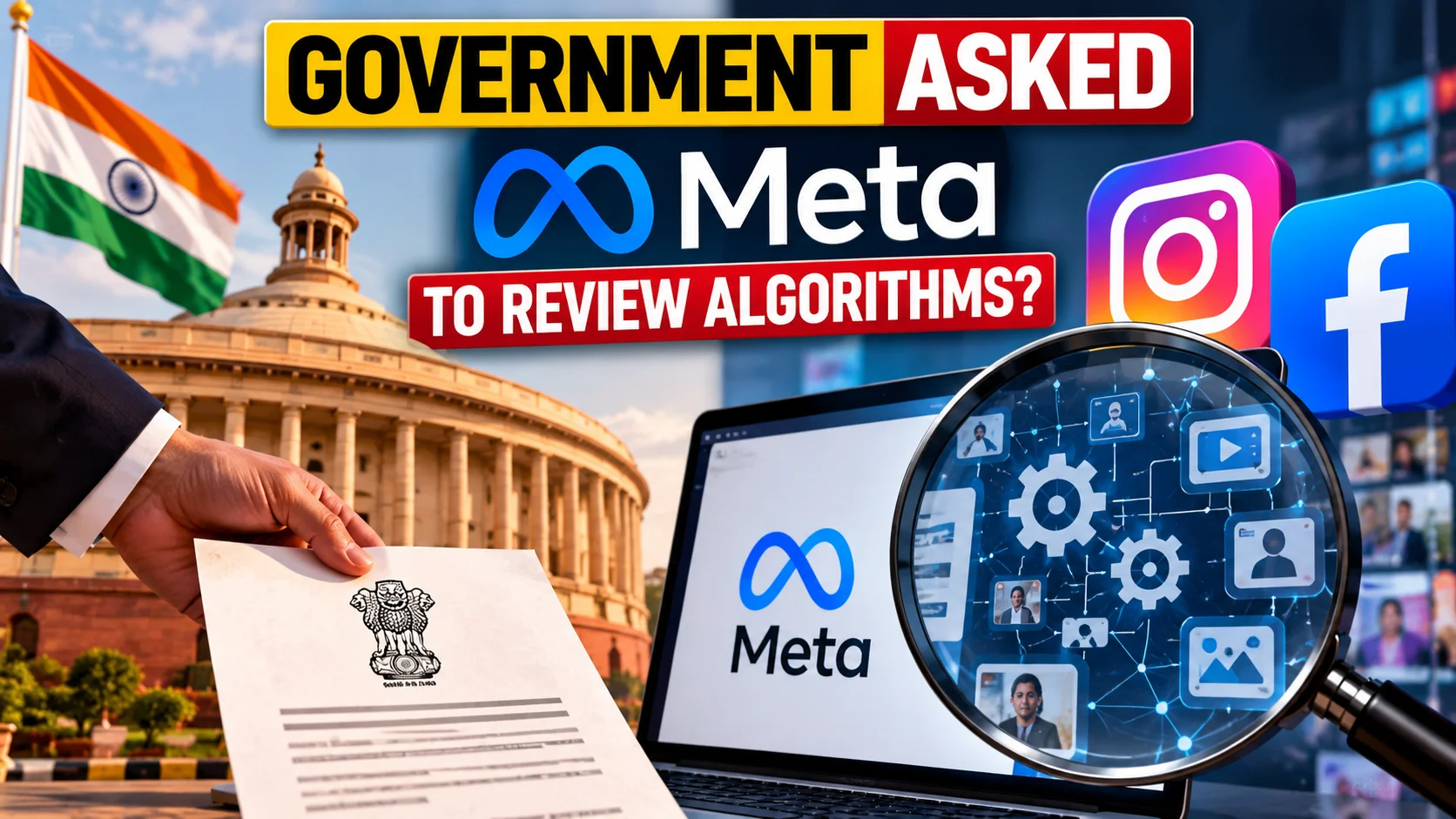
- India's IT Ministry (MeitY) has demanded a detailed audit of Meta's recommendation algorithms to ensure no political bias exists.
- Users in India may see stricter verification processes and faster response times for reported content starting next month.
So, here is the big news that is shaking up the tech world today. Meta, the parent company of Facebook, Instagram, and WhatsApp, is back in the spotlight for all the wrong reasons. Mark Zuckerberg has officially addressed two massive controversies that have been brewing over the last few weeks: the wrongful takedown of a high-profile video featuring Indian Prime Minister Narendra Modi and the ongoing struggle to keep Child Sexual Abuse Material (CSAM) off their platforms. If you have been following the news in 2026, you know that the pressure on big tech has never been higher, and this apology feels like a desperate attempt to stay in the Indian government's good books.
The PM Modi Video Incident: Glitch or Bias?
Let's talk about what actually happened with the PM Modi video. A few days ago, a significant video update from the Prime Minister’s official handle was suddenly flagged and removed from Facebook and Instagram. The reason? The automated system tagged it as 'violating community standards.' This caused an immediate uproar in India, with many questioning if Meta's algorithms have an inherent bias against Indian political leadership. Zuckerberg has now clarified that this was a 'false positive' triggered by a new AI moderation layer that was recently deployed. He admitted that the system failed to recognize the context of the video, leading to its accidental deletion. While the video was restored within hours, the damage was done, and it has raised serious questions about how much control these algorithms have over our public discourse.
We have seen this happen before, but in 2026, the scale of Meta's operations in India is so massive that a 'glitch' like this affects millions of people's access to information. Zuckerberg stated that they are 'deeply sorry' for the error and are working on a specialized 'Context-Aware AI' specifically for the Indian market. This new tech is supposed to understand local nuances and political contexts better, but we have heard these promises before. The real question is whether Meta is truly fixing the tech or just doing damage control because India is their largest market. In my opinion, these 'glitches' are becoming too frequent to be ignored as mere accidents.
The CSAM Crisis: A Hard Truth for Meta
While the video takedown was a political headache, the apology regarding Child Sexual Abuse Material (CSAM) is much more serious. For years, activists and governments have been slamming Meta for not doing enough to protect children on Instagram and WhatsApp. Zuckerberg finally admitted that their current detection systems are not keeping up with the sophisticated methods used by bad actors. He revealed that despite their best efforts, a significant amount of harmful content still slips through the cracks. This is a massive admission of failure for a company that prides itself on being a leader in AI and machine learning. As of August 2026, Meta is facing multiple lawsuits globally regarding child safety, and this apology seems like a move to soften the blow of upcoming regulations.
To fix this, Meta is promising to overhaul its reporting system. They are talking about a new end-to-end encrypted detection tool that can identify CSAM without compromising user privacy—a balance that has been notoriously difficult to achieve. They are also planning to hire 10,000 more human moderators globally, with a specific focus on Indian regional languages. This is crucial because a lot of harmful content in India is shared in languages like Tamil, Hindi, and Telugu, which Meta's global AI models often fail to catch. If they actually follow through with this, it could be a game-changer for online safety in India, but again, we need to see action, not just words.
The India Impact: What Changes for You?
How does this affect the average user in India? Well, for starters, the Indian government is not taking this lightly. MeitY (Ministry of Electronics and Information Technology) has already signaled that they might tighten the IT Rules 2026 even further. We might see a mandatory 'Verification Badge' for anyone posting political content to prevent accidental takedowns. Also, if you are a parent, you might notice new 'Safety Hub' features popping up on your Instagram feed. Meta is under immense pressure to show that they are a safe platform for families. Expect more intrusive 'Age Verification' prompts and stricter controls on who can message minors on their platforms. It might be a bit annoying, but if it helps stop the spread of CSAM, it is a trade-off we have to accept.
In terms of pricing and availability, these changes don't directly hit your wallet, but they do change how you use the apps. Meta's 'Verified' program (the one you pay for) might soon include 'Priority Support' for content disputes. This means if your video gets wrongly taken down like the PM's did, you might have a faster way to get it back if you are a paying subscriber. It’s a bit of a 'pay-to-play' model for digital rights, which I am not a huge fan of, but that seems to be the direction we are heading in 2026. The government is also pushing for 'Data Localization,' meaning Meta might have to store more of this moderation data right here in India, which could lead to faster response times for local law enforcement.
TamilTech’s Take: Is an Apology Enough?
Look, we have seen Mark Zuckerberg apologize many times over the last decade. From the Cambridge Analytica scandal to the various outages, the script is usually the same: 'We messed up, we are sorry, and we will do better.' But this time, the stakes feel different. With the 2026 elections approaching in several countries and the rise of deepfakes, Meta cannot afford these 'technical glitches.' The fact that they can accidentally silence the leader of the world's largest democracy shows just how much power these private companies hold. It’s scary when you think about it. If they can do it to the PM, they can do it to anyone.
Our honest take at TamilTech? Don't rely solely on one platform for your news or digital presence. Whether you are a content creator or a casual user, these platforms are fickle. Zuckerberg’s apology is a good first step, but we want to see the transparency reports. We want to see the AI actually working. Until then, stay cautious about what you share and keep your privacy settings tight. Meta has a long way to go to win back the trust of Indian users, especially when it comes to the safety of our children. We will be watching closely to see if that $5 billion investment actually makes the internet a safer place or if it’s just more corporate PR. What do you think? Is Meta doing enough, or is it time for stricter government control? Let us know in the comments!

Comments (0)
Be the first to comment!