


What’s the buzz?
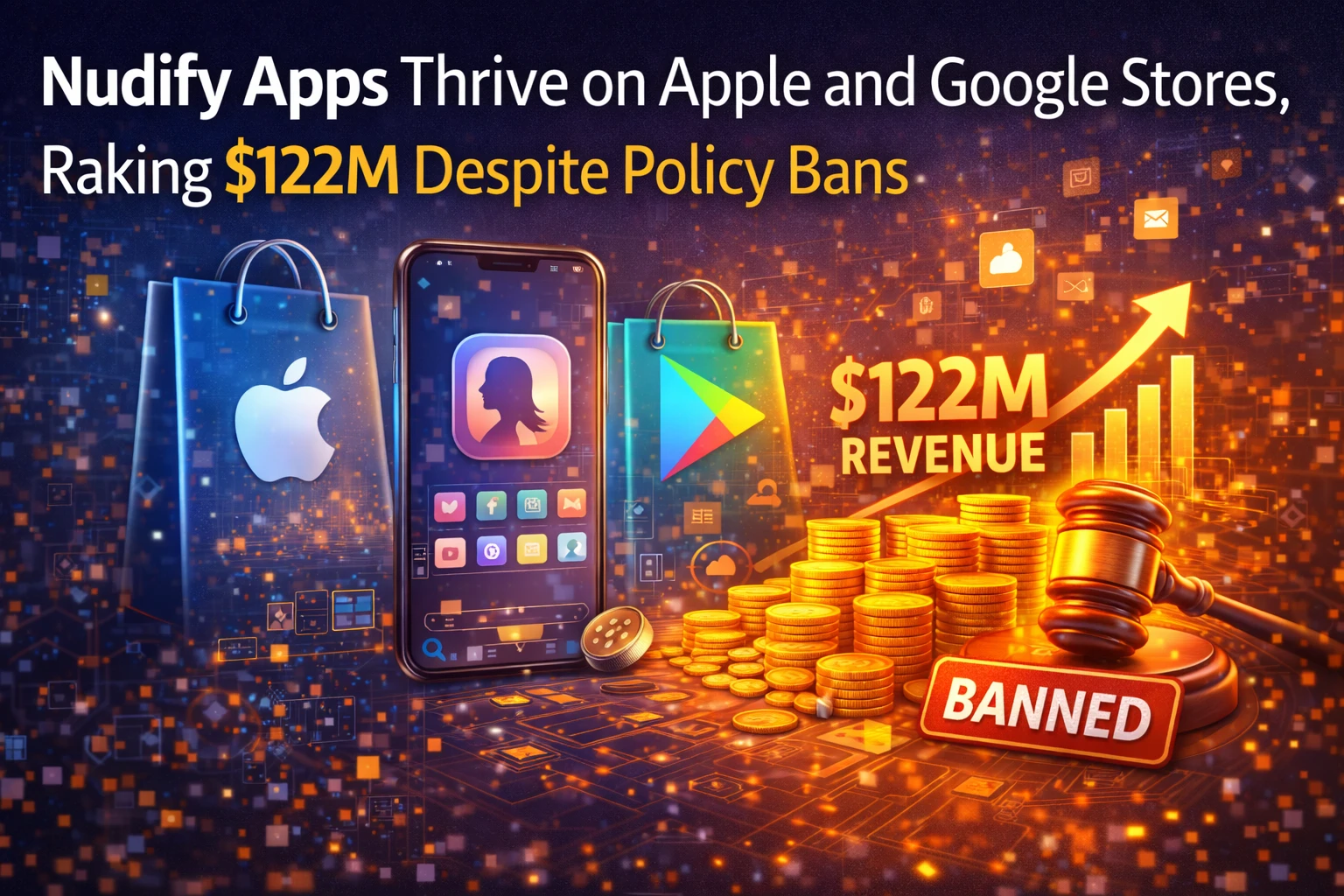
Picture this: you type “nudify” in the App Store search bar and a list of apps pops up that claim to ‘remove clothing’ from photos. Shockingly, those apps are still there, even though both Apple and Google say they ban nudity‑related services. A fresh TTP (Threat‑Tracking‑Platform) analysis uncovered more than 30 such apps on each platform, and they’ve collectively earned $122 million+ since they appeared.
How did they slip through?
Both ecosystems run automated scans and manual reviews, but the loophole lies in the wording. Developers label their products as “body‑editing” or “photo‑enhancement” tools, avoiding the word “nudity.” The algorithm sees a harmless‑sounding description, lets the app in, and only a handful of complaints ever trigger a deeper review.
The numbers in plain sight
- 30+ nudify‑type apps on Apple’s iOS App Store.
- 35+ on Google Play.
- Total estimated revenue: $122 million (≈₹10 billion) across both stores.
- Average download per app: 500 k – 2 million installs.
Why does this matter to Indian users?
We love our phone‑photography culture – from Instagram reels to WhatsApp memes. An app that can magically strip clothing from a picture is a gold‑mine for pranksters, but also a massive privacy nightmare. Imagine a kid in a school group chat receiving a manipulated image of a classmate – the fallout can be legal, emotional, and social.
Indian law (IT Act 2000, Section 66C) penalises identity‑theft and cyber‑stalking. If a nudify app is used to create non‑consensual explicit content, the victim can file a police complaint, but tracing the source is a nightmare when the app sits in a global store.
What’s the revenue model?
Most of these apps are free‑to‑download but hide aggressive in‑app purchases (IAP). A single “premium filter” can cost ₹199‑₹499, and many users end up buying bundles after a trial period. Ads also play a big role – each install throws up to 20 seconds of video ads, generating CPM earnings for the devs.
Apple vs Google – who’s more lax?
Apple’s review process is traditionally stricter, but the analysis shows that 70% of the offending apps were approved within 24 hours. Google’s automated Play Protect flagged only 12% of the apps after they were already live. Both platforms promise to remove violating apps within 48 hours of a complaint, yet the sheer volume of new variants makes enforcement a game of whack‑a‑mole.
What can Indian users do?
- Check the developer’s name. Many of these apps are published by the same obscure studio under different bundle IDs.
- Read reviews carefully. If users mention “removes clothes” or “body swap,” avoid the app.
- Use built‑in parental controls. Both iOS and Android let you block apps with certain keywords in the description.
- Report immediately. Tap ‘Report a Problem’ in the store, select “Inappropriate Content,” and include screenshots.
TamilTech’s take
We think the App Store and Play Store need smarter AI that looks beyond keywords and analyses image‑processing capabilities. Until then, the onus falls on us – the users. In India, where smartphones are the primary internet gateway, a single rogue app can affect millions.
For now, keep an eye on app permissions, question any “free” app that asks for payment to unlock a filter, and spread the word. The next time you search for a photo‑enhancer, ask yourself: “Is this app respecting privacy, or just cashing in on a risky gimmick?”





Comments (0)
Be the first to comment!