


OnePlus India just lost its CEO — and the timing couldn't be worse
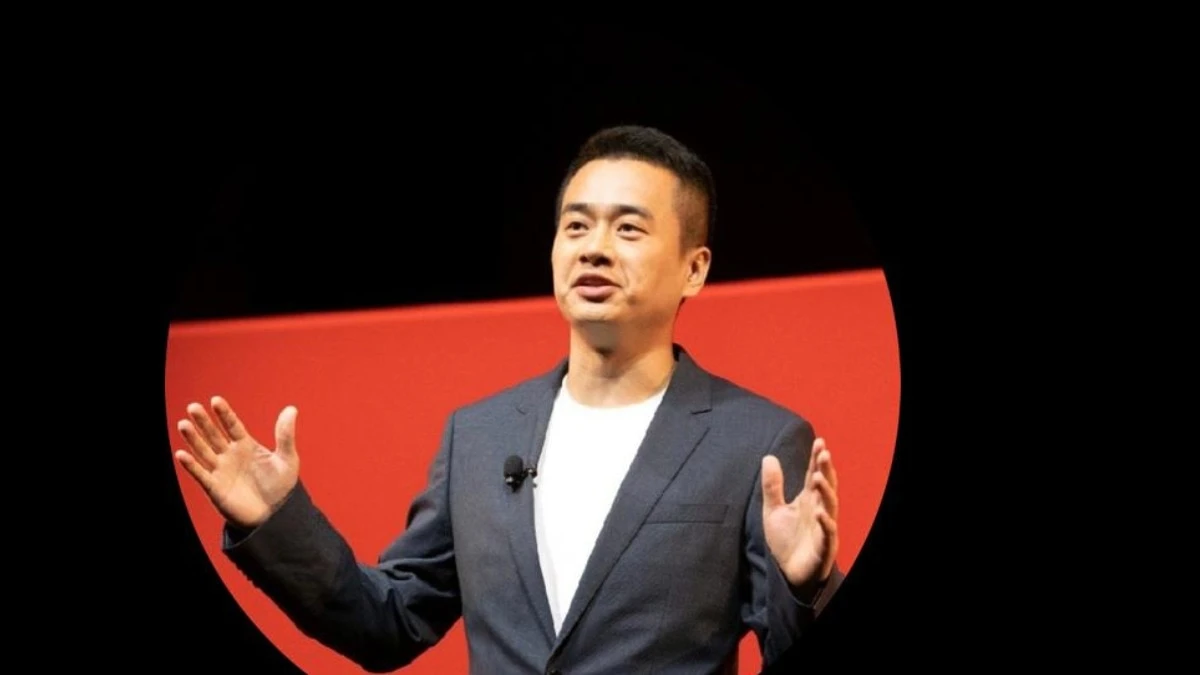
Robin Liu, the CEO of OnePlus India, has resigned. His last day is March 31, 2026. Seven years at the company, credited with pulling OnePlus India through its roughest moments including the Flipkart-Amazon distribution wars. And now he's out.
OnePlus released a statement that says exactly what companies always say when they don't want to say anything: "We thank Robin for his contributions and wish him the very best as he moves on to pursue personal passions." They haven't named a successor. They said "business continuity" is ensured. That's it.
Pair this with what's been happening to the brand over the last 12 months, and you understand why this is trending so hard across Indian tech Twitter and Reddit right now.
The numbers that explain why this matters
OnePlus India shipments fell 38.8% year-on-year in 2025, according to IDC data. That's not a minor dip. That's a brand losing nearly four out of every ten sales it had the previous year — in what should be its strongest market outside China.
While OnePlus was bleeding, Apple and Samsung were gaining. The premium smartphone segment in India that OnePlus helped build — the ₹30,000-60,000 tier where a phone could be aspirational without being a luxury — shifted toward Samsung's Galaxy A and S series and Apple's iPhone 15e and 16 base models. OnePlus had owned that space with phones like the 9, 10T, 11. It lost it.
The Nord series is widely blamed internally and externally. Bringing out affordable mid-range phones under the OnePlus brand eroded the "flagship killer" identity that made OnePlus cool. The Nord phones sold volume but trained Indian buyers to see OnePlus as a budget brand. Once that perception shift happened, it was hard to sell ₹55,000 phones to people who mentally put you in the ₹25,000 category.
The restructuring that changes everything
This is the part that has people genuinely worried about the brand's future in India.
OnePlus's parent company is OPPO, which is part of the BBK Electronics group (the same group that owns Realme and Vivo). BBK has been quietly restructuring how its sub-brands operate globally. The result: OnePlus now reports to Realme CEO Sky Li. Liu and Li were previously considered organizational equals — the India CEO of OnePlus and the CEO of a competing brand in the same group were peers. Now Liu's successor, whoever that is, will report to Li.
That structural change tells you something. It tells you OPPO's parent doesn't see OnePlus as a standalone premium global brand anymore — it sees it as a sub-brand that can be managed under existing leadership. That's not necessarily a shutdown, but it's a significant demotion in strategic importance.
Liu apparently didn't want to make that transition — moving from being a peer of the Realme CEO to reporting to him. Industry executives confirmed to ET that the restructuring was the real reason for Liu's exit, not any personal passion project.
Is OnePlus actually shutting down in India?
OnePlus says no. They've said this before — when viral rumors spread earlier this year about the brand exiting India, Liu himself publicly dismissed them as false. The company maintains that India operations will continue.
But here's what's happening that's harder to dismiss:
No named successor to Liu after his March 31 exit. The brand is pivoting to an online-dominant sales model — fewer retail partnerships, more direct-to-consumer. That's not inherently bad, but it reduces visibility and signals reduced marketing investment. The OnePlus 15T launched in China yesterday but there's been no India timeline announced. The CEO who would normally be managing that India launch just quit.
The scenario most industry watchers are considering isn't a clean shutdown — it's a slow fade. OnePlus stays technically active in India, releases phones occasionally, operates primarily through online channels, but without meaningful marketing investment or retail presence, becomes a niche brand for existing loyalists rather than a growth business. Think HTC's trajectory after its peak.
What this means if you own a OnePlus phone
Your phone works. Software updates will continue for the period OnePlus has committed to. OnePlus has a reasonable service center network in India — that doesn't disappear overnight even if the brand reduces its commercial footprint.
What's less certain: whether the premium OnePlus experience — the fast charging, the OxygenOS software quality, the camera collaboration partnerships — continues at the same level in future India launches. If OnePlus becomes a sub-brand managed under Realme's umbrella, the phone's character could change significantly.
What about the OnePlus 15T?
The OnePlus 15T launched in China on March 24 — yesterday. 7,500mAh battery, Snapdragon 8 Elite Gen 5, 100W charging. Specs that looked compelling for an India launch at ₹45,000-55,000. It was expected to come to India as the OnePlus 15s within 4-6 weeks.
With Liu's exit and the restructuring in flux, that timeline is now genuinely uncertain. OnePlus India doesn't currently have a CEO to drive that launch. Whether the 15T/15s makes it to India on the expected timeline, whether marketing support is behind it, whether the company does a proper launch event or just lists it online — all of that is now unclear.
If you were waiting to buy the OnePlus 15T for India, wait for clarity on the India launch situation before making any decisions.
TamilTech's take
OnePlus was the brand that proved you could get flagship performance at mid-range prices in India. The OnePlus 3, 5, 6, 7 Pro — these phones defined a generation of Indian premium smartphone buying. The community that built up around those phones — the OnePlus forums, the invite system launch culture — was genuinely passionate in a way that few brands generate.
Watching that brand shrink to 38.8% fewer sales, lose its India CEO, and get restructured under a competing brand's leadership is genuinely sad. It's not clear this is the end — OnePlus has been written off before and came back. But this current moment is the most precarious the brand has been in India since it launched here.
For now: if you need a premium Android phone in India and OnePlus was on your shortlist, it's worth broadening that list to include the Samsung Galaxy S25 or the Pixel 10 lineup while you wait to see how OnePlus's India situation resolves over the next few months.




Comments (0)
Be the first to comment!