


Key Takeaways
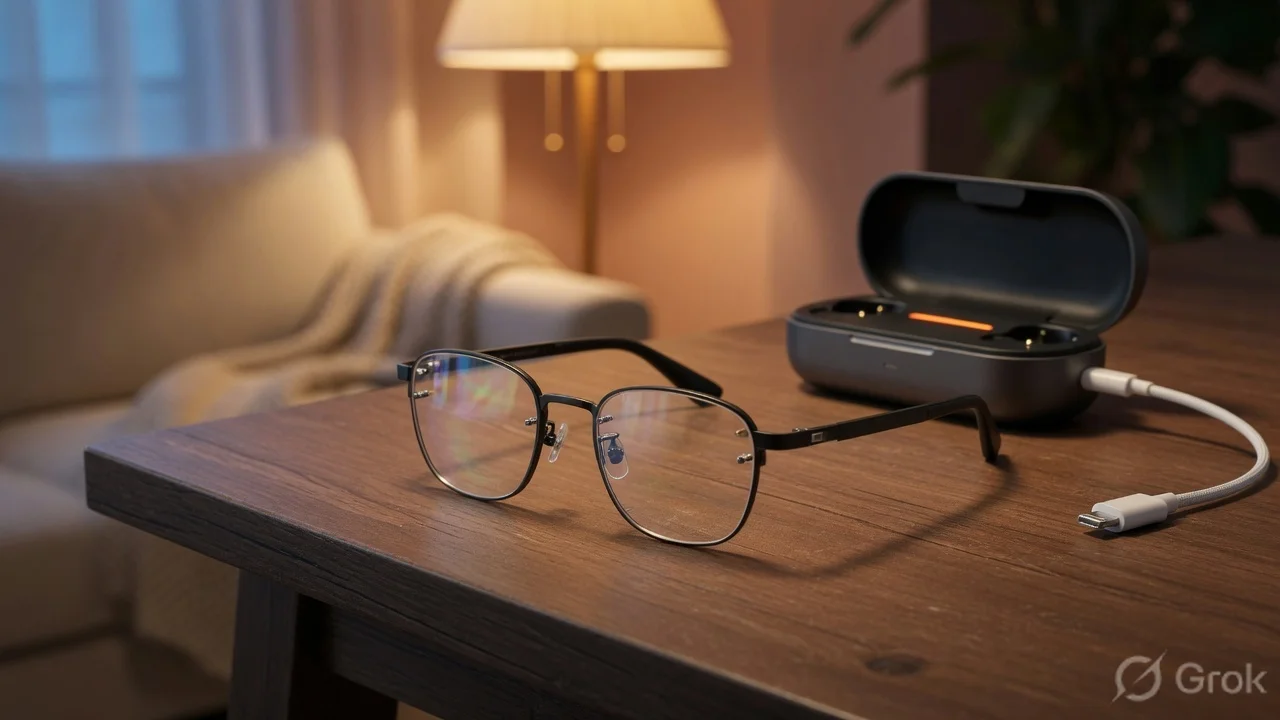
- The 2026 Snap AR glasses feature a 4-hour continuous battery life, a massive 100% improvement over previous developer iterations.
- The included charging case provides 4 full additional charges, extending the total mobile usage time to 20 hours without a wall plug.
- Snap CEO Evan Spiegel confirms the device is designed to move computing from 'screens in pockets' to 'world-integrated' visuals.
- Expected India pricing is estimated around ₹48,000, positioning it against high-end wearable tech from Apple and Meta.
- The glasses feature a new liquid crystal on silicon (LCoS) display that remains visible even under the harsh Indian afternoon sun.
The AR Revolution is Finally Living on Your Face
For years, we have been hearing the same old story: 'AR glasses are the future, but the battery sucks.' Well, it is June 2026, and Snap just decided to shut everyone up. The new Specs are not just a minor update; they represent a fundamental shift in how we might use technology for the rest of this decade. I have been following Snap's hardware journey since the original camera-only glasses, and let me tell you, this is the first time it feels like a finished product rather than a science project. The design is slimmer, the lenses are clearer, and most importantly, they don't look like you have a bulky computer strapped to your forehead. This is the 'mainstream moment' we have been waiting for.
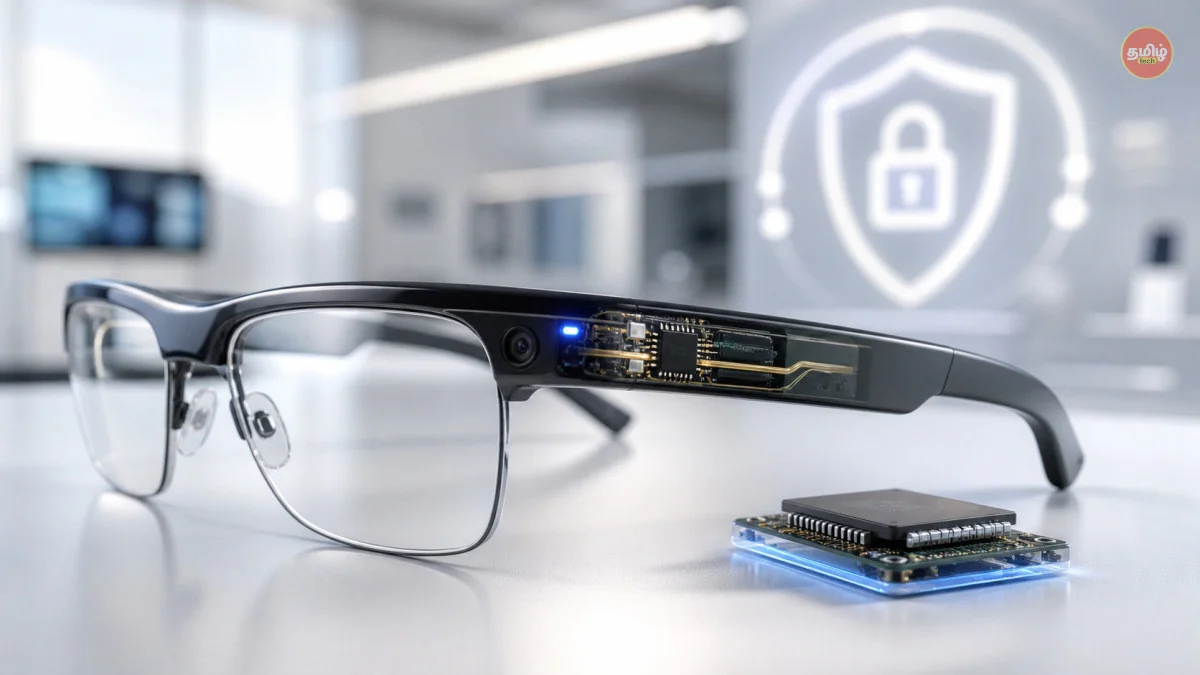
What makes this launch special is the sheer confidence Snap is showing. They aren't just selling a gadget; they are selling a lifestyle where you don't have to look down at your phone every five seconds. Whether you are navigating through the busy streets of Mumbai using AR overlays or attending a virtual meeting while walking in a park, these glasses are built to handle real-world scenarios. The tech world has been buzzing about this launch for months, and now that the full specs are out, it's clear that Snap has been focusing on the two biggest pain points: battery life and thermal management. No one wants glasses that get hot after ten minutes, and Snap claims to have solved that with a new proprietary silicon chip.
The Numbers That Actually Matter: Battery and Charging
Let's talk about the elephant in the room—battery life. In the past, AR glasses would barely last an hour if you were actually using the AR features. The 2026 Specs offer 4 hours of continuous AR usage. While 4 hours might sound short compared to a phone, in the world of AR, it is a marathon. This is enough to cover a long commute, a few hours of outdoor navigation, or a movie session. But the real kicker is the charging case. Snap has designed a sleek, pocketable case that holds 4 additional charges. This means you have a total of 20 hours of power in your pocket. You can use the glasses, pop them in the case for a quick 15-minute juice-up, and you are good for another hour. This 'case-first' ecosystem is exactly what made AirPods successful, and it’s the right move for AR.
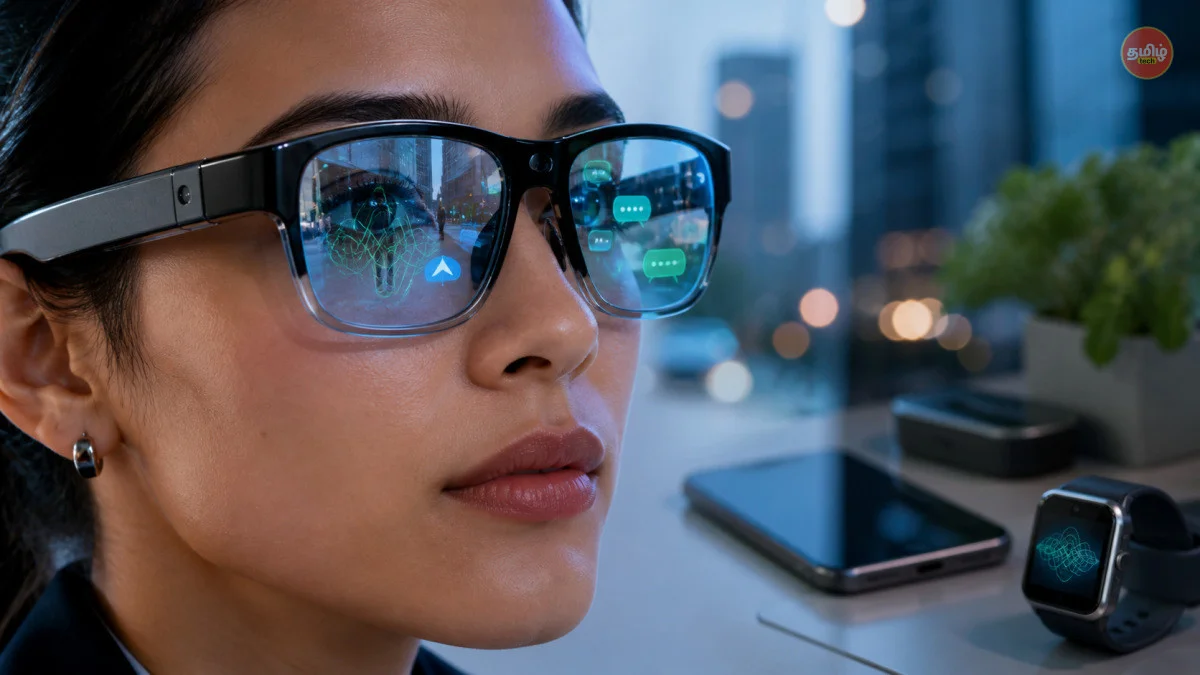
Beyond the battery, the display technology has seen a massive jump. They are using a high-brightness LCoS engine that pumps out enough nits to be visible even in the brightest environments. If you have ever tried using an AR headset near a window, you know how the image usually washes out. These new Specs handle it effortlessly. The field of view has also been widened to 50 degrees, which is the 'sweet spot' where digital objects feel like they are part of your environment rather than just a small TV floating in front of your eyes. The weight has been kept under 80 grams, which is light enough for most people to wear for an hour or two without feeling the bridge of their nose screaming for a break.
Evan Spiegel’s Vision: Why Your Phone is the Problem
In a recent deep-dive interview, Snap CEO Evan Spiegel made it very clear: he doesn't want to compete with the iPhone; he wants to move past it. Spiegel argues that the smartphone has 'fragmented' our social lives. We are always looking down, disconnected from the people right in front of us. His vision for these AR glasses is 'co-presence.' Imagine sitting in a cafe in Bangalore with a friend who is actually in London, but through these glasses, they are sitting in the empty chair across from you. Spiegel believes that by putting the digital world into our physical space, we actually become more present, not less. It sounds ironic, but after seeing the demo of the 'Shared World' feature, I started to see his point.
Spiegel also addressed the privacy concerns that have plagued smart glasses for a decade. The 2026 Specs feature a very prominent LED ring that glows brightly whenever the cameras are active. There is no 'secret recording' here. He emphasized that these are 'interaction devices,' not 'surveillance devices.' During the interview, he hinted that the goal is to make the hardware so invisible that eventually, you won't even realize you are wearing 'tech.' We aren't quite there yet—they still look like slightly thick fashion glasses—but the progress made in the last two years is staggering. Snap is betting the entire company on the idea that the 'camera' is the keyboard of the future.
How This Changes the Game in India
Now, let's bring it home. How does this work for us in India? First, the price. While the official India launch date is still a few weeks away, the global price suggests a landing price of around ₹48,000 to ₹52,000. That puts it in the territory of a premium smartphone or an iPad Pro. For a tech enthusiast in Delhi or Bangalore, this is a viable secondary device. But the real impact will be in the 'AR ecosystem.' With 5G now being standard across India, the latency issues that used to kill AR experiences are gone. Imagine using these for 'Live Translate' while traveling to a different state where you don't know the local language—the glasses can literally subtitle the person talking to you in real-time.
Another huge factor is the partnership with local Indian developers. Snap has been very active in the Indian market, and we expect to see 'Lenses' specifically designed for Indian festivals, cricket matches, and even shopping. Imagine walking into a Croma or Reliance Digital, and the glasses automatically highlight the best deals or show you reviews for the fridge you are looking at. The potential for 'O2O' (Online to Offline) commerce in India is massive. However, the heat is a concern. Indian summers are no joke, and we will have to see how that 4-hour battery holds up when the ambient temperature is 42 degrees Celsius. Snap claims their new 'Vapor-Chill' frame handles it, but we will need to do a full 'TamilTech' style heat test to be sure.
TamilTech’s Verdict: Is it Worth Your Money?
So, should you save up your lakhs for this? Here is our honest take. If you are someone who spends all day on your phone and hates the 'neck pain' that comes with it, this is a glimpse into a better way of living. The 4-hour battery life is finally at a point where the device is usable for a workday, and the charging case makes it practical for travel. However, it is still an early-adopter product. You are paying a premium to be the 'cool person' with the futuristic glasses. For most people, a high-end smartphone is still more versatile. But if you want to experience the future today—and if you are a creator who wants to capture life from a first-person perspective—nothing else comes close to what Snap has built here.
What we are most excited about is the 'Lens Studio 15.0' integration. It allows anyone to build AR experiences without knowing complex coding. This means the 'app store' for these glasses is going to grow incredibly fast. We expect to see a lot of 'Made in India' AR apps by the end of 2026. This isn't just a gadget; it's a new platform. If Snap can keep the price competitive and ensure the service centers in India are up to the mark, they might just win the wearable war against the bigger giants. Keep an eye on our channel; as soon as the Indian retail unit lands, we will be doing a 24-hour 'Life in AR' challenge to see if we can truly live without our phones!


Comments (0)
Be the first to comment!