


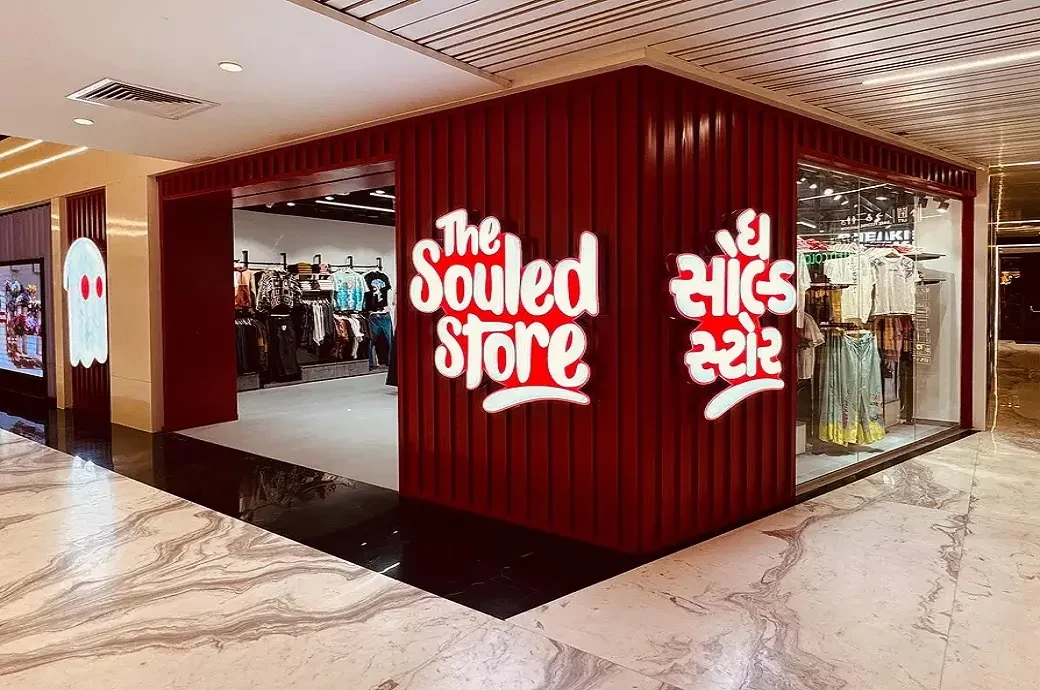
India's D2C ecosystem, valued at an estimated $100 billion, presents numerous opportunities for brands willing to adapt to shifting consumer preferences and the demand for quality products. However, succeeding in this space is challenging, with many brands struggling to keep pace with market changes. The Souled Store, founded in 2013 by Vedang Patel, Rohin Samtaney, Aditya Sharma, and Harsh Lal, has emerged as a successful player in this competitive market.
Initially launched as a platform for branded merchandise apparel, The Souled Store entered a largely unorganised market for pop culture merchandise in India, which was filled with unlicensed and low-quality products. “We saw an opportunity to build a brand that combined authentic licensed fandom with high-quality apparel that people could wear every day,” Patel stated in an interview.
Over time, the brand expanded its offerings beyond graphic T-shirts to include shirts, denim, footwear, women's wear, and accessories, while maintaining its roots in fandom culture. Today, The Souled Store boasts over 200 licensed collaborations with global franchises such as One Piece, Naruto, and Marvel, which have become integral to its brand identity.
The Souled Store has also established the necessary infrastructure to scale its D2C fashion business in India, operating a robust digital-first platform that enables the tracking of customer behavior and rapid product iteration. Recently, the brand showcased a collection inspired by Indian culture at Paris Fashion Week, indicating its ambition to reach a global audience.
In addition to expanding its product range, The Souled Store has focused on building community experiences, such as The Souled Store Super Screenings, where fans gather to watch new releases from their favorite franchises. This approach fosters a shared experience among fans rather than a purely transactional relationship.
The brand has also established a physical presence with over 70 stores nationwide, significantly broadening its reach and bringing the brand closer to customers who may not have discovered it online.
To date, The Souled Store has raised more than $24 million from investors, including Elevation Capital and RPSG Capital Ventures. The company turned profitable in FY24, ending FY25 with profits of ₹11 crore and operating revenue that increased by 37%, from ₹360.2 crore to ₹492.4 crore.
Logistics Backbone Behind The Growth
For digital-first fashion brands, customer experience hinges on logistics, particularly after a purchase is made. Ensuring timely delivery in perfect condition is crucial for maintaining brand trust. Patel emphasized that logistics is vital for encouraging repeat purchases and fostering long-term loyalty. “For us, ensuring strong logistics performance means customers can trust that when they order from The Souled Store, they’ll receive their product on time and in great quality,” he remarked.
Fashion brands often face high return rates due to sizing issues, color discrepancies, and customer indecision if deliveries are delayed. As The Souled Store expanded its reach to Tier II and III cities, the complexity of logistics increased. Delivering to different regions poses unique challenges, including varying carrier networks and return pickup infrastructures.
To address these challenges, The Souled Store has invested in improved packaging, reduced dispatch timelines, and enhanced customer support systems to ensure that the excitement of receiving a product matches the anticipation of ordering it. A key partner in this effort has been Shadowfax, which Patel described as instrumental in scaling operations while maintaining service quality.
“As order volumes grow and our reach expands across cities, having dependable logistics partners helps ensure operational efficiency and consistent delivery performance,” Patel stated. Shadowfax’s technology-enabled tracking and ability to support faster fulfillment options, including same-day delivery in select markets, have been significant advantages.
Eye On Design Innovation, Omnichannel Expansion
As The Souled Store looks to the future, it aims to deepen its connection with Gen Z and millennial consumers, who view fashion as an extension of their identity and community. The company’s product philosophy focuses on thoughtful design and storytelling that resonates with fandom culture, rather than simply featuring popular characters or logos.
Patel noted, “The idea is to create great designs that feel culturally relevant while remaining wearable as everyday fashion.” The brand’s omnichannel strategy integrates online and offline experiences, allowing customers to engage with products in a more immersive way.
With a goal of closing FY26 with revenue nearing ₹700 crore, The Souled Store is expanding its offerings, strengthening licensing partnerships, and enhancing its omnichannel presence. As the brand continues to grow, investing in backend capabilities will be essential to sustaining its momentum and ensuring a differentiated customer experience.


Comments (0)
Be the first to comment!