


Key Takeaways
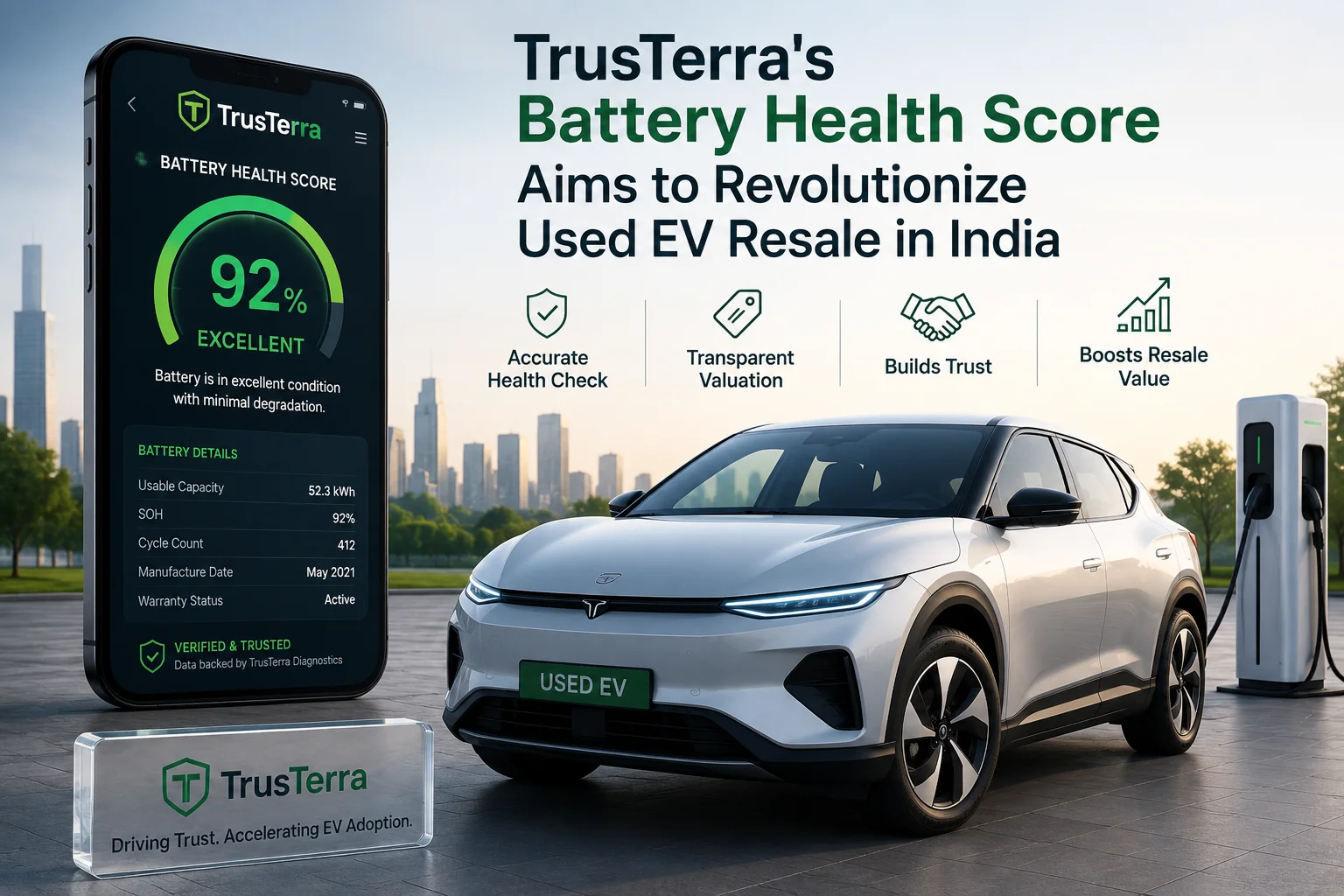
- TrusTerra is launching a standardized 0-100 Battery Health Score to solve the trust gap in the used Electric Vehicle market.
- Battery degradation can reduce an EV's value by 40% to 50%, but current odometers don't reflect actual battery life.
- In India, this system could help banks and insurance companies provide better loan rates for 2-3 year old EVs from Tata, MG, and Mahindra.
- The technology uses AI-driven data analytics to measure internal resistance and capacity loss without needing to dismantle the battery pack.
The Used EV Nightmare is Finally Ending
So, here is the thing—buying a used petrol or diesel car is fairly straightforward. You check the engine sound, look at the odometer for kilometers driven, and maybe take it to a local mechanic. But in 2026, as more people try to sell their first-generation Electric Vehicles (EVs), we have hit a massive wall. The problem? Nobody knows if the battery is actually good or just a ticking time bomb. You might see a car that has only run 20,000 km, but if the previous owner fast-charged it to 100% every single day in the scorching Chennai heat, that battery could be in worse shape than a car that has done 60,000 km with slow charging. This uncertainty is killing the resale value of EVs. If you bought a Tata Nexon EV or an MG ZS EV a few years ago, you are probably realizing that dealers are giving you lowball offers because they are scared of the battery health. This is where TrusTerra comes in, and honestly, it is about time someone fixed this mess.
Why the Odometer is a Liar in the EV World
In a traditional car, the kilometers on the dashboard tell you almost everything about the wear and tear. In an EV, the odometer is practically useless for judging the most expensive part of the car: the battery pack. A battery is a chemical storage unit, not a mechanical one. It degrades based on temperature, charging cycles, and even how long it sat idle at 0% charge. TrusTerra has realized that to make the used EV market work, we need something like a CIBIL score, but for batteries. Their new health score provides a transparent, data-backed rating that tells a buyer exactly how much 'life' is left in those lithium-ion cells. We are talking about a move from 'I hope this battery lasts' to 'I know this battery has 88% health remaining.' This shift is massive because it changes the EV from a risky tech gadget into a reliable asset that holds its value.
How TrusTerra’s Tech Actually Works
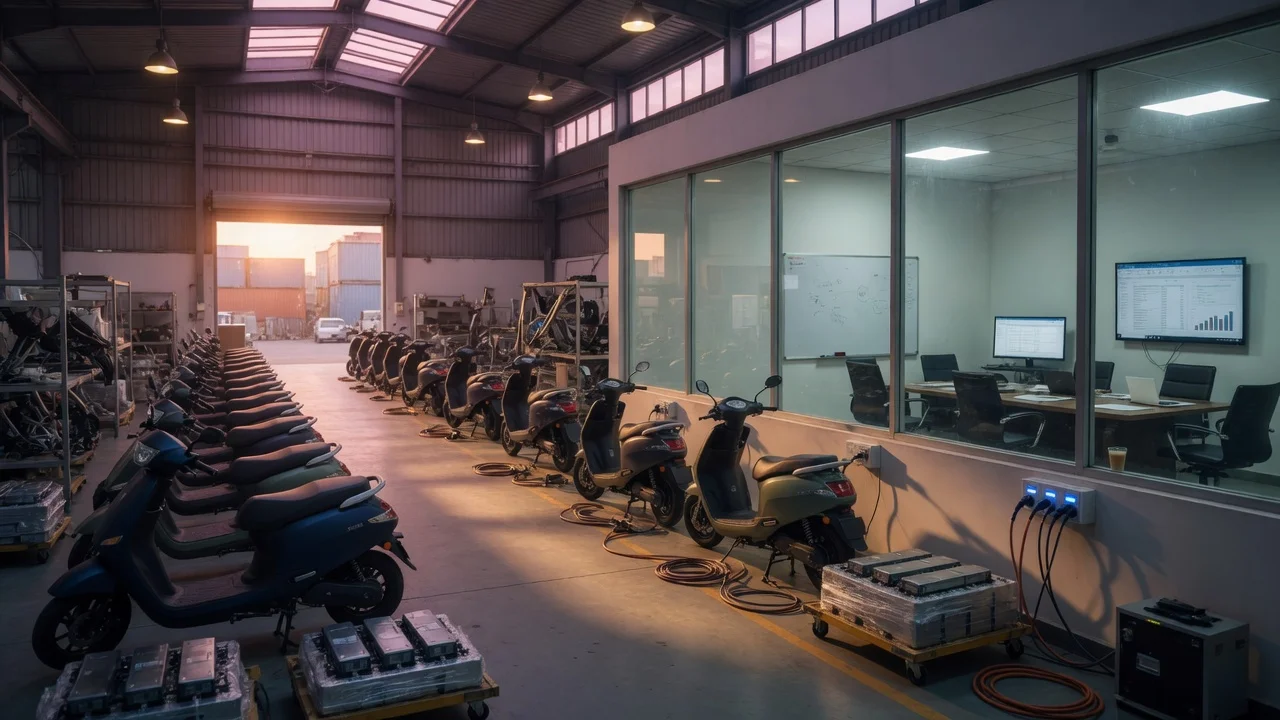
You might be wondering, "How do they know what's happening inside a sealed metal box?" It’s not magic; it’s deep data science. TrusTerra plugs into the car’s On-Board Diagnostics (OBD) port or syncs with the manufacturer’s cloud data. They don't just look at the current percentage of charge. Their algorithms analyze historical data—how many times the car was fast-charged, the thermal management history, and the voltage fluctuations across individual cells. They use a combination of AI and electrochemical modeling to estimate the internal resistance. High resistance means the battery is getting 'tired' and will heat up more. By putting all this data into a single score from 0 to 100, TrusTerra gives you a 'Certificate of Health' that you can show to a buyer. It’s like a blood test for your car. For a buyer, seeing a 92/100 score on a 3-year-old EV is the ultimate peace of mind. It means the previous owner took care of the battery, and the car is worth the premium price.
The India Impact: Tata, Ola, and Resale Anxiety
In India, we have a unique set of challenges. Our summers are brutal, and heat is the number one enemy of EV batteries. Many Indian EV owners are worried that their batteries won't survive past 5 or 6 years. Because of this fear, the used EV market in India has been stagnant. If you try to sell a 2023 Tata Nexon EV today in 2026, you might find that it has lost more value than a petrol Creta. TrusTerra’s entry into the Indian ecosystem could change this overnight. Imagine walking into a used car platform like Spinny or Cars24 and seeing a 'TrusTerra Verified' badge next to an Ola S1 Pro or a Mahindra XUV400. This doesn't just help the seller get a better price; it helps the buyer get a loan. Currently, banks are hesitant to give loans for used EVs because they can't value the asset accurately. If there is a standardized score, banks can finally say, "Okay, this battery is at 90% health, so the car is worth ₹12 Lakhs, and we can lend ₹9 Lakhs against it."
What This Means for You as a Buyer or Seller
If you are planning to buy a used EV this year, do not—I repeat, DO NOT—just look at the range shown on the screen. That range is often an estimate based on recent driving (the 'Guess-o-meter'). You need a deep health check. TrusTerra’s model allows for a quick scan that takes less than 15 minutes. For sellers, this is your best tool to fight lowball offers. If a dealer tells you your battery is 'old,' you can pull out the TrusTerra report and prove them wrong. We also expect insurance companies to start using these scores. A car with a healthier battery is less likely to have a thermal incident (fire), which could lead to lower insurance premiums for owners who maintain their battery health. It’s a win-win for everyone except the people trying to sell damaged EVs with masked problems.
TamilTech’s Verdict: Is this the Future?
We think this is the missing piece of the EV puzzle. Everyone talks about range and charging speed, but nobody talks about 'Residual Value.' Without a healthy used market, the new EV market will eventually slow down because people won't want to buy a car that they can't sell for a good price later. TrusTerra’s battery health score is exactly what the industry needs to move from the 'early adopter' phase to the 'mass market' phase. In the next 12 to 18 months, we expect this kind of scoring to become mandatory for all used EV transactions in India. If you own an EV, start practicing good charging habits now—keep it between 20% and 80%—because soon, a computer will be grading you, and that grade will determine exactly how much money you get when you trade it in. The era of 'blind buying' used EVs is officially over, and honestly, we couldn't be happier about it.

Comments (0)
Be the first to comment!