


Key Takeaways
- Ola Electric has launched a nationwide 'Dealer Partner Program' to expand its sales and service presence beyond its own Experience Centres.
- The company aims to recruit over 1,000 dealer partners by the end of 2026 to tackle long-standing service backlog issues.
- This hybrid model combines Ola's digital-first approach with the physical reach of traditional local dealerships in Tier-2 and Tier-3 cities.
- For customers, this means local walk-in service support and faster spare parts availability without waiting for home-service technicians.
The Big Shift: Why Ola is Finally Opening Its Doors to Dealers
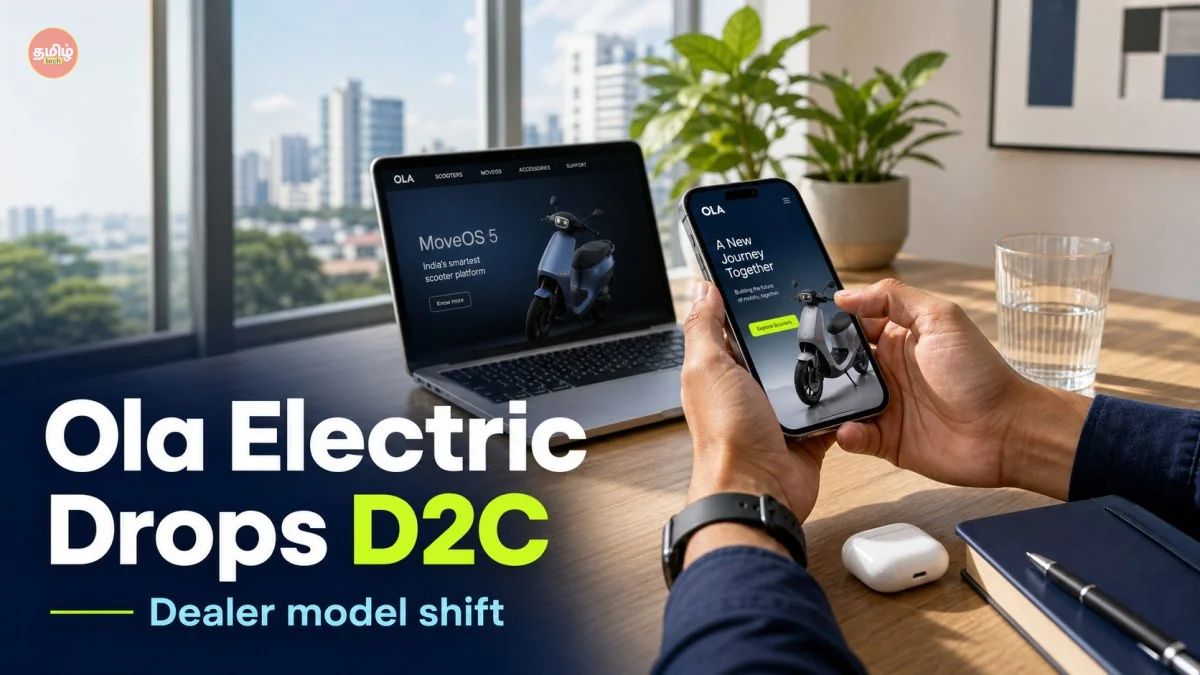
For years, Ola Electric stood firm on one ground: "We don't need middlemen." Their Direct-to-Consumer (D2C) model was the talk of the town, promising a future where you buy a scooter like a smartphone and get it serviced at your doorstep. But as we stand here in August 2026, the reality on the ground has forced a massive strategy pivot. Ola Electric is officially opening up its sales and service network to dealer partners across India. If you have been following the EV space, you know this is a complete 180-degree turn from Bhavish Aggarwal’s original vision. But honestly? This might be the best thing to happen to Ola owners in a long time.
The move isn't just about selling more scooters; it is about fixing the one thing that has been Ola’s Achilles' heel—after-sales service. While the S1 series has consistently topped the sales charts, the service centers (Ola's own Experience Centres) have often been overwhelmed. We have seen the viral videos of backlogs and frustrated customers. By bringing in local dealer partners, Ola is effectively decentralizing its operations. This means instead of one massive service hub for an entire city, you might soon have a certified Ola service point just a few kilometers from your home. It's a pragmatic move that acknowledges that India is too big and too diverse for a purely centralized service model to work at scale.
The Backstory: From 'No Dealers' to 'Welcome Partners'
To understand why this is happening now in 2026, we have to look at the growth curve. When Ola launched in 2021, the D2C model was a disruptor. It cut out the dealer commissions, allowing Ola to price their scooters aggressively. It worked for the early adopters in metro cities like Bangalore, Chennai, and Mumbai. However, as Ola expanded into the heartlands of India—the Tier-2 and Tier-3 towns—the D2C model started showing cracks. Logistics became a nightmare, and the 'home service' promise became harder to keep when a technician had to travel 50 kilometers for a simple brake pad replacement.
Moreover, the competition didn't sit still. Companies like TVS, Bajaj, and even Ather Energy (which uses a hybrid dealer model) leveraged their existing physical networks to provide a sense of security to buyers. In India, a vehicle is a big investment. People want to know there is a physical shop they can go to if something goes wrong. They want to talk to a manager, see the spare parts, and get an immediate solution. Ola realized that to win the next 10 million customers, they needed to stop being just a tech company and start acting like a traditional automotive giant with a modern twist.
How the New Dealer Model Works
This isn't your grandfather's dealership model. Ola is calling it the 'Dealer Partner Program,' and it is designed to be lean. Unlike traditional dealerships that require massive showrooms and huge upfront inventories, Ola’s partners will focus heavily on the 'Service' aspect alongside sales. These partners will have access to Ola’s proprietary service software, diagnostic tools, and a streamlined supply chain for spare parts. It is a win-win: the dealer gets to tap into the highest-selling EV brand in India, and Ola gets to expand its footprint without spending billions on real estate and staff.
The plan for 2026 is aggressive. Ola is looking to onboard partners who already have experience in the automotive sector but are looking to pivot to electric. These dealerships will act as touchpoints for test rides, deliveries, and most importantly, as 'Rapid Service Hubs.' If you have an issue with your software or hardware, you don't have to raise a ticket on the app and wait three days. You can just ride into a partner outlet and get it scanned. This hybrid approach—digital booking with physical execution—is likely the blueprint for the future of the Indian EV industry.
India Impact: What This Means for Your Wallet and Peace of Mind
If you are planning to buy an Ola S1 Pro or the newer 2026 models, this news is a massive green flag. One of the biggest deterrents for potential EV buyers has been 'service anxiety.' By having local dealers, the resale value of Ola scooters is also expected to stabilize because the secondary market trusts brands with a wide service network. In terms of pricing, don't expect the scooters to get cheaper. In fact, dealer commissions might put a slight pressure on margins, but Ola is likely to offset this by the massive volume they plan to push through these new channels.
For rural India, this is a revolution. Imagine a farmer in a small village in Tamil Nadu or a small business owner in Bihar. Previously, they might have been hesitant to buy an Ola because the nearest service center was 100km away. Now, with a local dealer partner in the nearest taluk, the barrier to entry is gone. This move will likely trigger a massive surge in EV adoption in rural sectors, where the cost of petrol is a huge burden. Ola is essentially building the 'Maruti Suzuki' network of the EV world, and that is a scary prospect for their competitors.
How to Become an Ola Dealer: The Business Perspective
If you are an entrepreneur looking at this as a business opportunity, here is the deal. Ola is looking for partners who can maintain high standards. You will need a dedicated space that meets their branding guidelines and a team trained by Ola's engineers. The investment is significant but the ROI (Return on Investment) looks promising given Ola's 30-40% market share in the electric two-wheeler segment. The process usually starts on their official partner portal, followed by a site visit and a rigorous vetting process of your technical capabilities.
We expect the first wave of 500 dealers to be operational by mid-2026, focusing on the high-demand states like Maharashtra, Karnataka, and Tamil Nadu. If you already run a multi-brand service center or a traditional petrol-scooter dealership, this is the perfect time to switch. The shift to EV is no longer 'coming'—it is here. Being an early partner with the market leader gives you a massive advantage in the long run as the ecosystem matures.
Comparison: Ola vs. The Competition
Let's look at the landscape. TVS and Bajaj have thousands of touchpoints because of their 40-year legacy. Ather has been very selective with its partners, focusing on premium experience. Ola, by opening up its network, is trying to bridge the gap between 'Tech Startup' and 'Legacy OEM.' While Ather’s service is often rated higher for quality, Ola’s sheer scale with 1,000+ dealers will make them more accessible. The competition will now have to work harder to maintain their niche, as Ola’s biggest weakness (accessibility) is being neutralized.
However, the challenge for Ola will be maintaining quality control. When you have 1,000 different partners, ensuring that a customer in Madurai gets the same service quality as a customer in Delhi is tough. Ola will need to invest heavily in training and automated monitoring to ensure dealers don't tarnish the brand's reputation with poor service or hidden charges—a common problem in traditional dealerships.
TamilTech’s Honest Take: Is This a Good Move?
At TamilTech, we have always been vocal about Ola’s service issues. We have received countless emails from readers who loved the scooter but hated the service experience. So, our take? This is a brilliant, albeit late, move. Ola tried to reinvent the wheel with D2C, and while it worked for sales, it failed for service at scale. By embracing the dealer model, they are finally listening to the Indian consumer. The Indian market is built on relationships and physical trust, and you can't build that through an app alone.
What should you expect next? Expect a lot of 'Grand Opening' posters for Ola showrooms in your local neighborhood over the next 12 months. If you own an Ola, your service wait times are about to drop significantly. If you were holding off on buying one, now might be the time to reconsider. The EV war in India just got a lot more interesting, and Ola has just played its most important card yet. Stay tuned as we track how this rollout affects the actual ground reality in the coming months!

Comments (0)
Be the first to comment!