


Key Takeaways
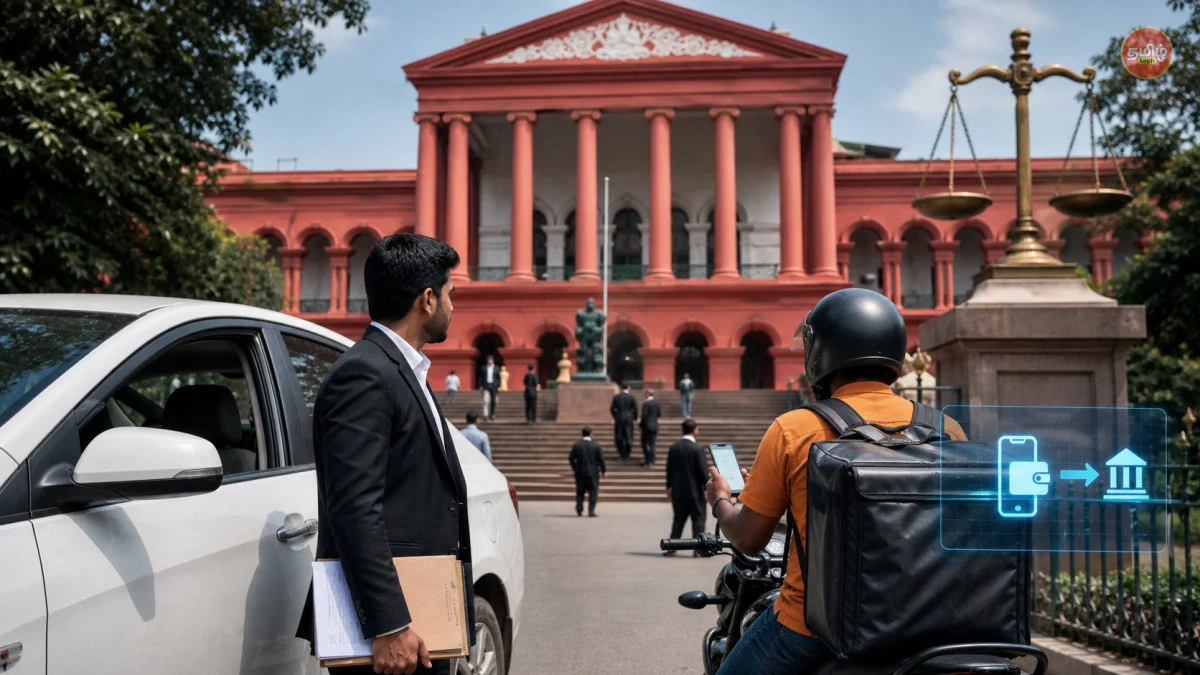
- Uber has officially filed a petition in the Karnataka High Court challenging the Karnataka Platform-Based Gig Workers (Social Security and Welfare) Bill.
- The law mandates a 1% to 2% welfare fee on every transaction to fund social security for over 2 lakh gig workers in the state.
- Uber argues that the bill's provisions regarding algorithmic transparency and worker classification interfere with their business model.
- This legal outcome will set a massive precedent for other states like Tamil Nadu and Maharashtra who are planning similar laws in 2026.
The Big Fight in India’s Startup Capital
So, here is the thing—the long-standing tension between big tech aggregators and the government has finally reached the courtroom. Uber has officially challenged the Karnataka government's landmark Gig Workers Bill in the High Court. If you have been following the news lately, you know that Karnataka has been trying to bring some order to the chaotic gig economy. While the government says they want to protect the 'partners' who deliver our food and drive us around, Uber thinks the state is overstepping its boundaries. This isn't just a legal spat; it is a battle that will decide if your next ride becomes more expensive and if the person driving you gets a safety net.
We have been seeing protests by delivery partners and cab drivers for years now. They complain about low pay, long hours, and having no insurance or pension. To solve this, the Karnataka government introduced this bill earlier this year. But Uber’s move to court shows that the tech giants aren't going to accept these changes without a fight. They are worried that if Karnataka succeeds, every other state in India will follow suit, fundamentally changing how apps like Uber, Swiggy, and Zomato operate across the country.
What Does the Karnataka Gig Workers Law Actually Say?
Before we dive into why Uber is upset, let's look at what this law actually demands. The Karnataka Platform-Based Gig Workers Bill is designed to give some level of job security to people working for these apps. One of the biggest points is the 'Welfare Fee.' The government wants to charge a small percentage—between 1% to 2%—on every single transaction. This money would go into a dedicated fund used for the social security of workers, providing them with things like accident insurance, health benefits, and perhaps even a pension scheme in the future. For a driver who spends 12 hours on the road, this could be a life-changer.
Another major part of the bill is 'Algorithmic Transparency.' Right now, no one really knows how Uber or Swiggy decides who gets which order or why a driver's rating suddenly drops. The law wants companies to explain these algorithms to the workers and give them a chance to appeal if they are 'de-platformed' or blocked from the app. It also mandates that companies give a valid notice before firing or blocking a worker. Basically, the government wants to treat gig workers more like employees and less like 'independent contractors' who have zero rights.
Why Uber is Taking the Government to Court
Uber’s argument is pretty straightforward from a business perspective. They claim that they are just a 'marketplace' or an 'aggregator' that connects a rider with a driver. They argue that the state government does not have the legal authority to regulate them in this way because 'Electronic Service Providers' fall under the Central Government's jurisdiction, not the State's. They are essentially saying, "Hey, you can't make rules for us; only New Delhi can." This is a classic legal move to delay or strike down state-level regulations.
But there is more to it. Uber is terrified of the 'Employee' tag. Their entire business model relies on the fact that they don't have to pay for drivers' health insurance, PF, or office space. If the court decides that these workers deserve a welfare fund and transparency, it adds a massive operational cost. Uber also claims that revealing how their algorithm works is like asking Coca-Cola for its secret recipe. They believe that if they have to explain every decision the AI makes, it will hurt their competitive edge and make the app less efficient.
How This Affects Your Pocket and the Drivers
Let's talk about the India impact because that is what matters to us. If Uber loses this case and the law is implemented, you can expect your ride fares to go up. That 1-2% welfare fee isn't going to come out of Uber’s profits; it will most likely be added to your bill as a 'Social Security Surcharge.' In a city like Bengaluru, where traffic is already a nightmare and fares are high, an extra ₹5 or ₹10 per ride might not seem like much, but it adds up for daily commuters.
On the flip side, for the lakhs of drivers in India, this is a huge deal. Currently, if an Uber driver meets with an accident, the family is often left with nothing. This law would ensure they have a safety net. We have seen similar debates in the UK and California, where courts eventually forced these companies to provide better benefits. In India, where the gig workforce is expected to reach 23 million by 2030, this legal battle in Karnataka is the first major test of how we treat our digital-age workers. If Uber wins, it’s back to square one for worker rights; if the government wins, the era of 'cheap labor' for tech apps might be coming to an end.
TamilTech’s Honest Take: What’s Next?
Honestly, we think this was bound to happen. You cannot build billion-dollar companies on the backs of workers who have no basic rights. While we understand Uber’s concern about business flexibility, the 'aggregator' excuse is getting old. These drivers are the lifeblood of the service, and they deserve more than just a 'thank you' in the app. However, the government also needs to be careful. If the regulations are too heavy, these companies might reduce their operations in certain areas, leading to fewer jobs.
What should you expect next? The Karnataka High Court will likely hear arguments over the next few months. We might see a stay order on certain parts of the bill. Other states are watching this very closely. If you are a gig worker, this is the most important legal case of 2026 for you. If you are a user, enjoy the current fares while they last, because the 'welfare fee' era is coming. We will keep you updated on the court's decision as soon as it drops!



Comments (0)
Be the first to comment!