


What’s the headline?
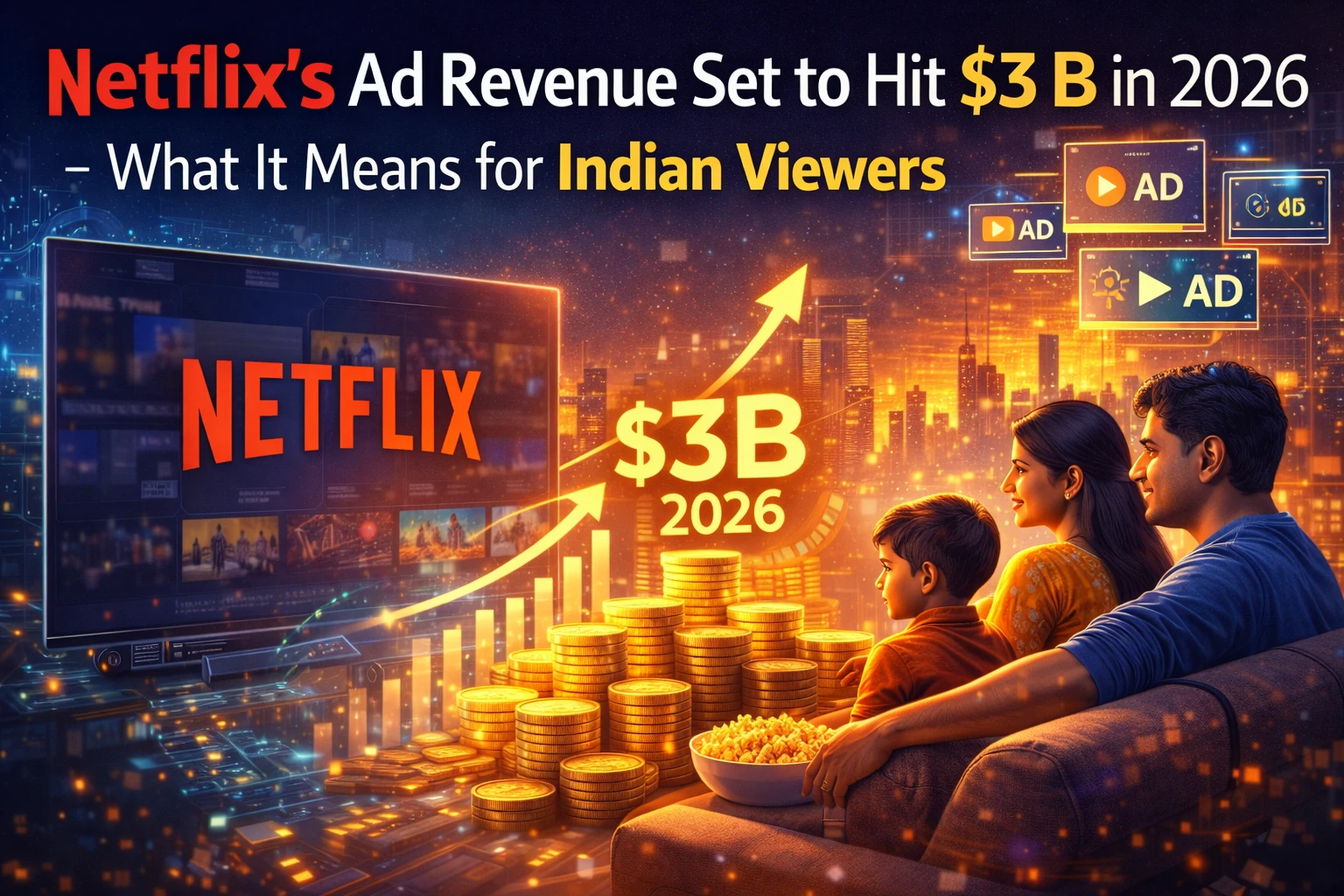
Netflix just announced that its ad‑supported business line is on track to pull in $3 billion in 2026 – that’s double the $1.5 billion it expects for 2025. The streaming giant now works with over 4,000 advertising clients, a 70% year‑over‑year jump.
Why does this matter?
For the first time since Netflix introduced a lower‑priced ad tier in the US, the company is saying the model is not a side‑project but a core growth engine. In India, where the price‑sensitive market has been waiting for a cheaper Netflix option, this signals more ad inventory, more local brands, and potentially cheaper subscription plans.
Numbers in plain English
- 2026 ad revenue target: $3 billion (≈ ₹250 billion at current rates).
- 2025 ad revenue: $1.5 billion.
- Advertisers on the platform: 4,000+, up 70% YoY.
- Ad‑supported plan price in the US: $6.99/month (about ₹560).
How the ad tier works
Netflix’s ad‑supported tier shows short video ads (5‑15 seconds) between episodes and sometimes before a show starts. Users can skip after a few seconds, similar to YouTube’s skippable ads. The platform uses its recommendation engine to match ads to viewer profiles, so the experience feels less intrusive than traditional TV commercials.
Indian context – will we see a cheaper plan?
Netflix has already rolled out a $6.99 plan in the US and Canada. In India, the company is still testing the waters with a “Mobile‑Only” plan at ₹199/month, but that plan is ad‑free and limited to phones. With the ad revenue target now crystal clear, we can expect a sub‑₹300 ad‑supported plan that includes TV, mobile, and laptop streaming.
What brands are joining?
Brands ranging from global giants like Coca‑Cola and Procter & Gamble to Indian heavyweights such as Hindustan Unilever, Maruti Suzuki, and Jio are now buying inventory. The 70% jump in advertisers means more localized campaigns – think regional movie promos, cricket sponsorships, and even OTT‑only product launches.
Pros for Indian users
- Lower subscription cost. A ₹299/month tier could make Netflix competitive against Disney+ Hotstar and Amazon Prime Video.
- More local content. Brands will fund original series that cater to regional tastes, potentially boosting Tamil, Telugu, and Malayalam productions.
- Free ad‑supported tier? While Netflix hasn’t announced a free tier, the ad‑supported model could eventually lead to a limited‑ad version – similar to YouTube’s free service.
Cons to watch out for
- Ad overload. If Netflix leans too heavily on ads to hit the $3 B target, binge‑watchers might feel the experience deteriorate.
- Data usage. Video ads increase data consumption – a real concern for users on limited 4G/5G plans.
- Privacy. More ad targeting means Netflix will collect additional viewing data. Users should review the privacy settings.
What should you do now?
If you’re on a tight budget, keep an eye on Netflix’s Indian pricing announcements. When a ₹299 ad‑supported plan lands, compare it with Disney+ Hotstar’s ₹299 ad‑free plan and Amazon Prime’s ₹199 ad‑free tier. Also, check the “Ad Preferences” section in the app to control how many ads you see.
What’s next for Netflix?
Beyond 2026, the streaming giant aims to keep growing its ad inventory, adding more interactive ad formats (shoppable ads, QR‑code overlays) and expanding into regional languages. For Indian advertisers, this is a golden chance to reach a premium, globally‑connected audience without the high cost of TV spots.
Bottom line: Netflix’s $3 billion ad revenue goal is a clear signal that ads are now a core part of its business. For Indian viewers, that could translate into cheaper plans, more local shows, and a few extra ads in your binge‑marathon. Stay tuned – the next price drop could be just around the corner.




Comments (0)
Be the first to comment!