


Key Takeaways
- Vikram-1 is India's first private rocket capable of placing satellites into Low Earth Orbit (LEO) with a payload capacity of up to 480kg.
- The rocket features a 100% carbon-fiber body and 3D-printed liquid engines, significantly reducing weight and manufacturing time.
- This orbital mission follows the successful 2022 sub-orbital flight, making Skyroot the first Indian private company to reach this milestone.
- Launch costs for Vikram-1 are estimated to be 30-40% cheaper than traditional small satellite launch vehicles globally.
The Big Announcement: India's Private Space Race Hits High Gear
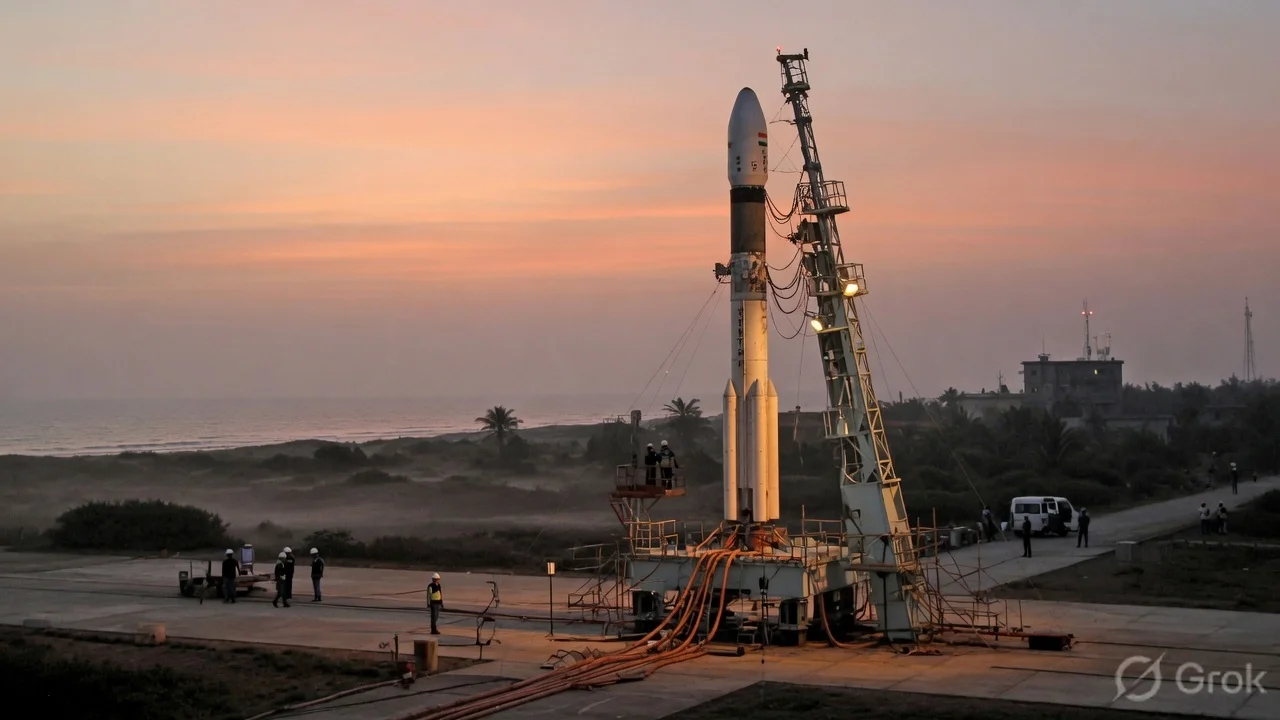
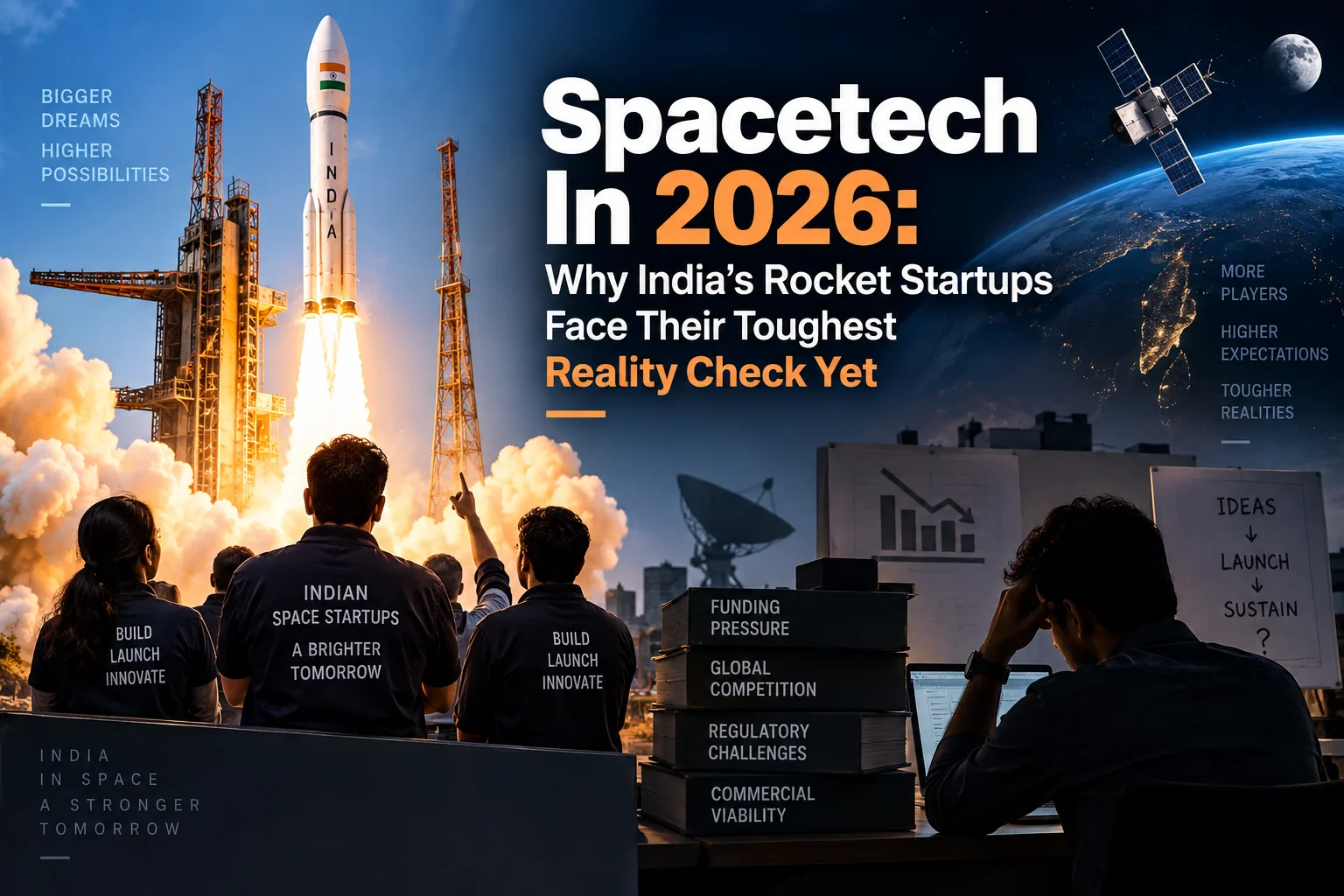
The wait is finally over for space enthusiasts in India. Prime Minister Narendra Modi has officially confirmed that Skyroot Aerospace is set to undertake the maiden orbital launch of its flagship rocket, Vikram-1, later this year in 2026. This isn't just another rocket launch; it is a defining moment for the Indian private sector. For decades, space was the exclusive playground of ISRO, but now, a startup from Hyderabad is ready to prove that India can produce its own version of SpaceX. The PM’s endorsement highlights the government's massive push towards privatizing the space sector through IN-SPACe, providing these startups with the infrastructure and guidance needed to compete on a global scale.
When we look at the current landscape in July 2026, the global demand for small satellite launches is skyrocketing. Companies building constellations for internet, weather monitoring, and earth observation don't want to wait years for a spot on a massive heavy-lift rocket. They want a dedicated, 'on-demand' taxi service to space. That is exactly what Vikram-1 aims to provide. The Prime Minister's mention of this mission during his recent address emphasizes that India is no longer just a service provider for international agencies but a hub for deep-tech innovation. We are moving from 'launching for others' to 'building for the world'.
The Journey from Vikram-S to Vikram-1: How We Got Here
To understand the significance of this orbital launch, we have to look back at the 'Prarambh' mission in late 2022. Back then, Skyroot launched Vikram-S, a sub-orbital rocket. It was a proof of concept—a test to see if their engines and flight controllers actually worked in the vacuum of space. It reached an altitude of about 89 kilometers and splashed down, but it didn't stay in orbit. Since then, the team has spent nearly four years refining their tech, scaling up their engines, and conducting rigorous ground tests. This transition from sub-orbital to orbital is like moving from a short sprint to a full-blown marathon. The complexity increases tenfold because the rocket must reach a specific velocity (around 7.8 km/s) to stay in orbit instead of falling back to Earth.
Skyroot has been working closely with ISRO under various MoUs, gaining access to world-class testing facilities like the Satish Dhawan Space Centre in Sriharikota. The 2026 version of Vikram-1 is the culmination of thousands of hours of simulation and hardware-in-the-loop testing. It has been a journey of grit for the founders, Pawan Kumar Chandana and Naga Bharath Daka, both former ISRO scientists who saw the potential for a private ecosystem in India long before the policies were even in place. Their success is a testament to the talent pool available in India that is now choosing entrepreneurship over traditional career paths.
Technical Deep Dive: What Makes Vikram-1 Special?
Vikram-1 is a multi-stage launch vehicle designed specifically for the small satellite market. One of its most impressive features is the all-carbon-fiber structure. Most traditional rockets use aluminum or steel alloys, which are heavy. By using carbon fiber, Skyroot has made the rocket incredibly light while maintaining the strength needed to withstand the intense pressure of atmospheric exit. This weight saving allows them to carry more 'pay-load' (satellites) for the same amount of fuel. The rocket stands about 20 meters tall and is designed to carry payloads between 290kg to 480kg depending on the orbit altitude.
The propulsion system is where the real magic happens. Vikram-1 uses the 'Kalam' series of solid-fuel motors for its initial stages. These are reliable and provide the massive thrust needed at liftoff. However, for the final stage, which requires precise maneuvering to place satellites in their exact slots, they use the 'Raman' engine. This engine is entirely 3D-printed using high-strength alloys. Why 3D printing? Because it reduces the number of parts from hundreds to just a handful, eliminating potential points of failure and cutting down manufacturing time from months to days. This 'plug-and-play' approach to rocketry is what will allow Skyroot to eventually launch a rocket every week.
India Impact: Pricing, Availability, and the Global Market
For Indian startups and educational institutions, the Vikram-1 launch is a game-changer. Currently, if an Indian college or a startup like Pixxel or GalaxEye wants to launch a satellite, they often have to wait for ISRO's PSLV or SSLV schedules, which are usually packed with government missions. Vikram-1 offers a dedicated commercial alternative. In terms of pricing, while exact figures are kept under wraps, industry estimates suggest a launch on Vikram-1 could cost anywhere between ₹15 crore to ₹25 crore. This is significantly lower than international competitors like Rocket Lab’s Electron, which can cost upwards of $7.5 million (approx ₹62 crore).
This price advantage, combined with the 'Make in India' initiative, makes our country an attractive destination for international satellite operators. Imagine a European or American startup choosing an Indian private rocket because it’s cheaper, faster, and equally reliable. This brings in foreign direct investment and creates high-tech jobs right here in India. The availability of Vikram-1 will also spur the growth of the 'downstream' space sector—companies that use satellite data for agriculture, disaster management, and telecommunications. When the cost of getting to space drops, the number of space-based services for common citizens will explode.
How It Works: The Step-by-Step Launch Sequence
If you're wondering how this mission will actually go down on launch day, here is the simplified sequence. First, the rocket is integrated at the launch pad in Sriharikota. Unlike massive rockets that take weeks to assemble, Vikram-1 can be assembled and readied in just 24 to 72 hours. On T-minus zero, the first stage (Kalam-100) ignites, providing the initial punch to clear the densest part of the atmosphere. After about 100 seconds, the first stage separates and falls into the ocean, and the second stage takes over.
The second and third stages continue to push the rocket higher and faster. Once the rocket reaches the vacuum of space, the fairing (the nose cone protecting the satellites) splits open and is discarded. Finally, the Raman engine in the upper stage kicks in. This stage is smart; it can restart multiple times to adjust the orbit. Once the target altitude and velocity are reached, the satellites are deployed one by one. The entire process from liftoff to satellite deployment takes less than 15 minutes. It’s a high-stakes, high-speed ballet performed hundreds of kilometers above our heads.
Comparison: Vikram-1 vs. ISRO SSLV vs. Rocket Lab Electron
It’s important to see where Skyroot stands compared to the competition. ISRO’s Small Satellite Launch Vehicle (SSLV) is the government’s answer to this market. SSLV can carry up to 500kg, similar to Vikram-1. However, ISRO is a national agency with many priorities. Skyroot, being a private company, can be more agile and customer-focused. Then there is Rocket Lab’s Electron, the current global leader in small launches. While Electron is highly proven, it is expensive. Vikram-1 is being built with a much lower cost base in India, giving it a massive edge in the price-sensitive 'NewSpace' market.
The real advantage for Skyroot is the customization. They can tailor the orbit and launch timing specifically for a single customer. In contrast, larger rockets like the Falcon 9 usually fly 'rideshare' missions where you have to share the ride with 50 other satellites and go exactly where the primary customer wants. Vikram-1 is like a private Uber for your satellite, whereas the bigger rockets are like a public bus. For many modern tech companies, that speed and precision are worth every penny.
TamilTech’s Honest Take: Is This the Future?
We at TamilTech believe that the Vikram-1 orbital launch is the most important milestone for Indian tech in 2026. For years, we’ve seen India excel in software, but deep-tech hardware like rockets is a different beast entirely. It requires immense capital, patience, and precision. If Skyroot succeeds with this orbital mission, it will open the floodgates for venture capital into the Indian space-tech ecosystem. We might see dozens of companies building everything from space tugs to orbital fuel stations.
What should you expect next? After the maiden flight, Skyroot plans to ramp up the frequency of launches. They are already working on Vikram-2 and Vikram-3, which will have even higher payload capacities and potentially reusable stages in the future. For the average Indian, this means better GPS, cheaper satellite internet in rural areas, and the pride of seeing an Indian private logo on the side of a rocket. This is just the beginning of India's journey to becoming a global space superpower. Keep an eye on the skies—the countdown has already begun!


Comments (0)
Be the first to comment!