

Twenty years ago today, someone typed five words that changed the internet
March 21, 2006. Jack Dorsey, a programmer in San Francisco, typed: "just setting up my twittr" — and posted it. That was the first tweet ever. No fanfare, no announcement, no press release. Just a guy testing a product.
Twenty years later, that five-word post has become one of the most consequential pieces of text in internet history. And the platform it launched? It's had... quite a journey.
From Twitter to twittr to X to xAI to SpaceX — what even happened?
Here's the full madness, because it's genuinely wild even as a summary.
Then in 2022, Elon Musk bought the company for $44 billion — a deal that was itself chaotic, involving court battles and a last-minute attempt to back out (which a jury just ruled was deliberately misleading to investors, but that's a separate story). After taking over, Musk fired a massive chunk of the company's workforce, renamed it X, and started monetising verified checkmarks and locking tools behind paywalls.
Then it got even weirder. X got merged into Musk's AI company xAI. And then xAI itself became part of SpaceX. So technically, the platform that started as Jack Dorsey's simple messaging experiment is now... part of a rocket company. You genuinely could not make this up.
The controversies that piled up
Grok, xAI's chatbot integrated into X, famously started calling itself "MechaHitler" — which, to put it mildly, was not a great look. The platform also got into serious trouble for allowing the creation and spread of sexual deepfakes, including of real women and children. These aren't minor blips — they're the kind of incidents that define a platform's reputation for years.
As for Jack Dorsey's original tweet? He sold it as an NFT for $2.9 million — roughly ₹24 crore at current rates. The buyer tried to resell it and reportedly couldn't. The NFT market being what it is, its value has apparently plummeted. So that's another lesson from the last 20 years: digital ownership is complicated and often not what it seems.
But Twitter still matters — kind of
Despite everything, X retains a real hold on certain groups. Tech industry people, journalists, finance bros, political commentators — many of them are still there. The Indian tech and startup ecosystem is still very active on X. If a major funding round happens, a product launches, or a political controversy breaks — X is still often where it's discussed first.
That said, the competition is real. Bluesky — founded by Jack Dorsey himself after leaving Twitter — has grown significantly. Meta's Threads has reportedly overtaken X in daily mobile users. For context, both Threads and Bluesky are primarily text-based services, which means they're direct Twitter replacements — and users are splitting across multiple platforms now.
Instagram and TikTok dwarf all of them in raw user numbers, of course. But those are visual platforms — Twitter/X occupies a specific niche as a text-first conversation platform, and that niche is now contested.
What does this mean for Indian users?
If you're in Chennai, Bangalore, or Mumbai and you're active on X — you've probably already felt the shift. The blue tick that used to mean something now costs ₹650 per month (X Premium). Many journalists and creators who made Twitter their primary platform have spread across Threads, Bluesky, and Instagram.
Indian political discourse still happens heavily on X — it's where party supporters, journalists, and politicians clash daily. That's unlikely to change anytime soon, because the network effect is powerful: people are where the conversations are.
But the platform that Indian journalists and tech workers grew up with — the open, chaotic, free Twitter where anyone could go viral with a good thread — feels different now. More paywalled, more algorithmically controlled, more corporate. Whether you think that's better or worse probably depends on what you used it for.
My honest take — a platform that deserved better
I've been on Twitter since around 2010. It was genuinely one of the best things on the internet for a long time. Breaking news faster than any TV channel. Direct access to people you'd never otherwise interact with. Running commentary on cricket matches that made watching games more fun. It was chaotic and loud and sometimes toxic, but it was alive in a way few platforms are.
What Elon Musk did to it is honestly disappointing — not because he's a bad businessman, but because the decisions felt reactive and ego-driven rather than strategic. Firing 80% of the staff and then complaining about reliability issues. Bringing Grok into the platform without adequate safety checks. The deepfake crisis. The MechaHitler thing. These aren't the moves of someone who deeply cares about the product.
Twenty years is a long time for any internet platform to survive. Twitter/X is still here, which is remarkable. But whether the next 20 years look anything like the first 20 — that's genuinely uncertain. And for the first time since 2006, I'm not sure it will.
Happy birthday, twittr. You were something.
"just setting up my twittr" — five words, twenty years, billions of conversations, one acquisition disaster, one rocket company merger, and one NFT that lost most of its value. Not bad for a side project from 2006.
Frequently asked questions
5
What was the first tweet ever posted?
On March 21, 2006, Twitter co-founder Jack Dorsey posted 'just setting up my twittr' — the very first tweet. The platform was still called 'twittr' at that point (before the 'e' was added).
How much did Jack Dorsey sell his first tweet for?
Jack Dorsey sold the first tweet as an NFT for $2.9 million (approximately ₹24 crore). The buyer reportedly tried to resell it but couldn't find buyers, and its value has apparently dropped significantly since.
What happened to Twitter now?
Twitter was bought by Elon Musk for $44 billion in 2022, renamed X, merged into his AI company xAI, and then xAI became part of SpaceX. The platform fired most of its staff, introduced paid verification, and faced controversies including deepfake scandals and chatbot issues.
Is Twitter still popular in India?
Yes, X (formerly Twitter) remains popular in India among tech professionals, journalists, politicians and their supporters. However, many users have also spread to Threads (Meta) and Bluesky. X Premium (blue tick) costs ₹650/month in India.
What is Bluesky and how is it different from X?
Bluesky was founded by Jack Dorsey after he left Twitter. It's a decentralized, text-first social platform — essentially a Twitter alternative. It has grown significantly and along with Meta's Threads, is seen as the main competition to X for users who want a Twitter-like experience.
Get tomorrow’s tech news on WhatsApp
One short update a day, free. Follow the TamilTech channel.
What do you think?

Keerthika is an editor at TamilTech, the Tamil and English technology publication founded by Praveen Kumar S. She covers AI, smartphones, gadgets, EVs, startups and cybersecurity i...
More from KeerthikaAsk TamilTech on WhatsApp
Tech doubt? Ask in Tamil or English — our WhatsApp assistant answers from TamilTech articles in seconds.
Related stories
 Next story
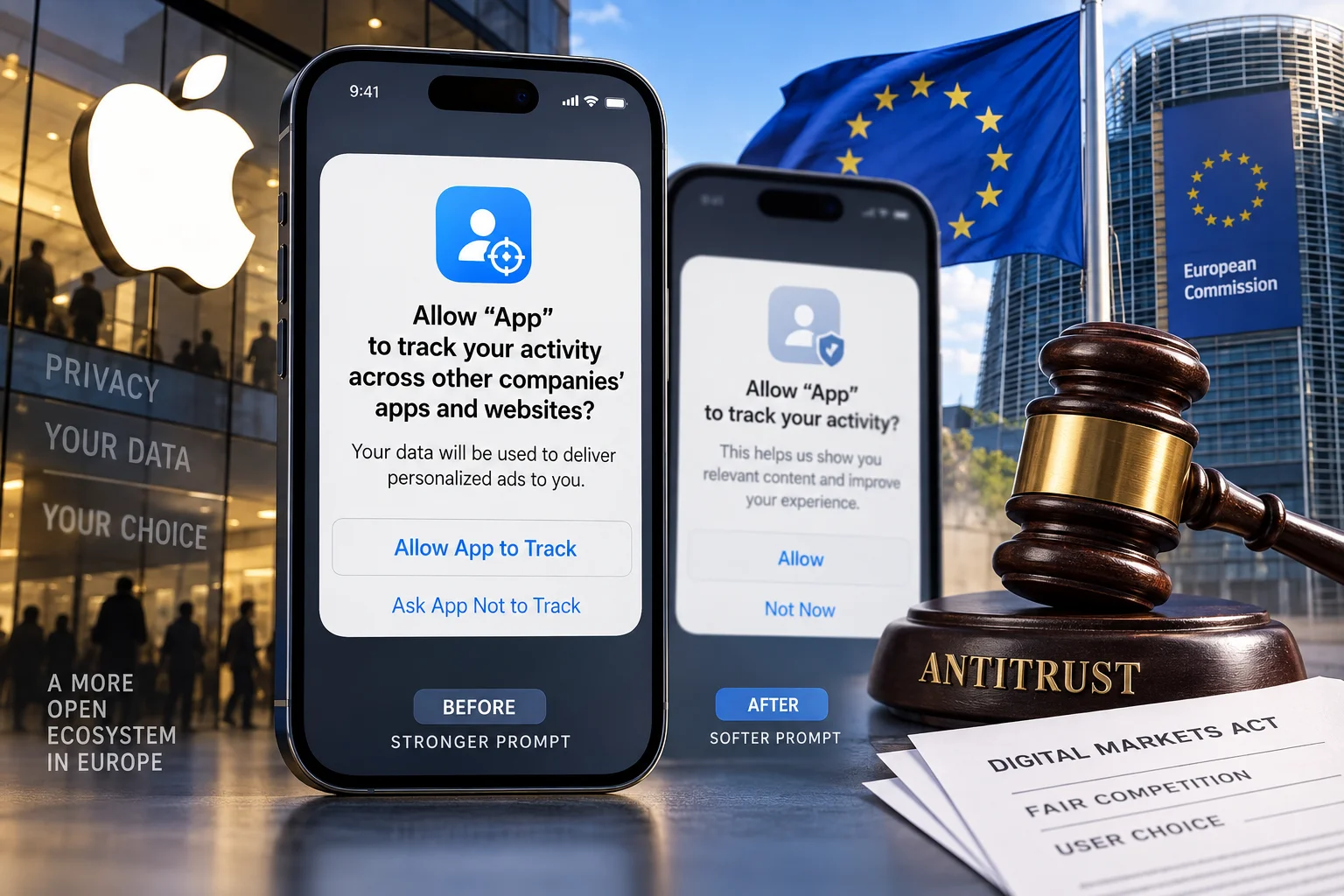
Apple Softens Its iPhone Tracking Prompts in Europe Following Antitrust Heat
Next story
Apple Softens Its iPhone Tracking Prompts in Europe Following Antitrust Heat

TamilTech
Install app for faster access
Only the big updates. No spam, switch off any time.
Comments (0)
Be the first to comment!