


What’s the buzz?
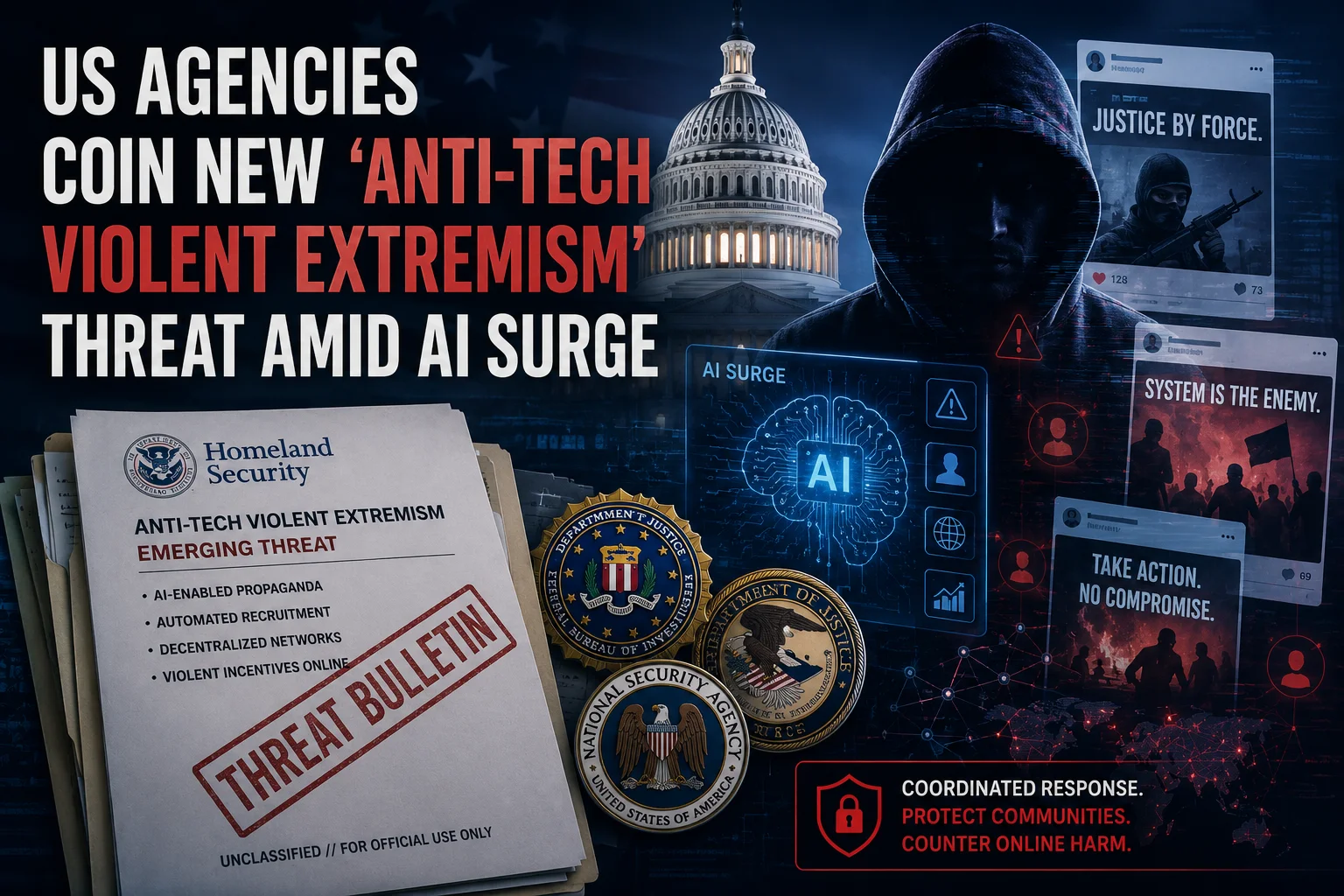
Earlier this week the Department of Homeland Security (DHS) and the Federal Bureau of Investigation (FBI) announced a brand‑new threat category: anti‑tech violent extremism. In plain English, they’re warning that people who hate technology – especially AI – could turn violent, targeting labs, data‑centres, or even everyday users of AI‑driven services.
Sounds like a sci‑fi plot, but the agencies say it’s real‑world risk. They’ve already logged a handful of incidents where disgruntled individuals smashed servers, threatened researchers, or posted doomsday memes about “machines taking over”. The move is part of a broader push to keep an eye on tech‑related hate groups, something that’s been missing from the traditional terrorism playbooks.
Why now?
The AI boom has exploded in the last 12 months. ChatGPT, Gemini, Claude and a slew of open‑source models are now embedded in everything from customer‑support bots to medical‑diagnosis tools. With that visibility comes a backlash. Online forums are buzzing with “anti‑AI” rhetoric, some of it harmless satire, but a growing slice is downright hostile.
According to the latest internal DHS threat assessment, the number of anti‑tech extremist posts on platforms like Reddit, 4chan and niche Discord servers has jumped over 300% since 2022. The agencies point out that a few of these chatter‑boxes have already crossed the line from speech to action – think arson of a university AI lab in California and a bomb threat sent to a data‑centre in Texas.
How the US defines the menace
“Anti‑tech violent extremism” is defined as any ideology that calls for the destruction of, or violent resistance to, advanced technologies, AI systems, or the organisations that develop them. The definition is deliberately broad – it covers everything from lone‑wolf vandals to organized groups that plan coordinated attacks on tech infrastructure.
Key indicators the agencies are watching include:
- Distribution of manuals on how to sabotage servers or destroy hardware.
- Social‑media campaigns that glorify “tech‑free” societies.
- Threats or actual attempts to harm researchers, engineers or end‑users.
Federal law‑enforcement will now be able to tag these incidents under the new label, which means more resources, faster inter‑agency communication and, importantly, a clearer legal pathway to prosecute the perpetrators.
What it means for India
We may be miles away from a US federal filing, but the ripple effect is immediate. Indian start‑ups are riding the AI wave – from Bengaluru’s AI‑driven fintechs to Chennai’s health‑tech platforms. A US‑centric threat label could influence our own security agencies to start monitoring similar chatter on local platforms like ShareChat, Koo or even WhatsApp groups.
Policy‑wise, the Ministry of Home Affairs has already set up a cyber‑terrorism cell, but it currently focuses on ransomware, phishing and state‑sponsored attacks. Adding an anti‑tech extremist watchlist could push the Indian government to draft new guidelines for AI‑safety, perhaps even mandating “risk‑assessment” reports for AI‑product launches.
For the average Indian user, the practical impact is modest – you won’t see a new badge on your phone. However, businesses that rely on AI should start thinking about physical security (CCTV, access control) and employee awareness. A simple step: include a short module in your onboarding that explains the new US threat and why it matters globally.
TamilTech’s take
We’re not saying every anti‑AI meme will turn into a bomb plot, but the agencies are right to be cautious. The danger lies in the echo‑chamber effect. When a few vocal “tech‑haters” get media attention, it can legitimize fringe ideas and inspire copycats.
From an Indian perspective, the biggest risk is a copy‑cat scenario: a disgruntled ex‑engineer in Hyderabad decides to sabotage a local AI‑lab because he believes AI is “stealing jobs”. That could lead to a PR nightmare for the start‑up ecosystem, which is already nervous about talent retention.
Our recommendation? Treat this as a wake‑up call, not a panic alarm. Start with basic security hygiene:
- Secure your server rooms – badge access, biometric locks.
- Run quarterly “threat‑awareness” drills for staff, similar to fire‑drill drills.
- Monitor open‑source forums for any mention of your company’s name alongside words like “destroy”, “burn”, “shut down”.
And for the tech‑savvy reader: keep an eye on the policy updates from the Ministry of Electronics and Information Technology (MeitY). If they start referencing “anti‑tech violent extremism”, you’ll know the ball is rolling here too.
What’s next?
In the coming weeks, DHS and FBI will release a set of guidelines for private companies on how to report anti‑tech threats. Expect similar guidance from the European Union, which is already drafting AI‑risk regulations.
In India, the likely scenario is a joint statement from the Ministry of Home Affairs and MeitY, urging AI firms to adopt “physical‑security best practices”. Keep your eyes on the official gazettes – the first draft could be out by Q4 2024.
Bottom line: AI is here to stay, and so is the backlash. Staying informed, hardening your infrastructure, and fostering a culture of responsible AI use will keep the “anti‑tech violent extremism” label from becoming a headline in your neighbourhood.




Comments (0)
Be the first to comment!