


What just happened?
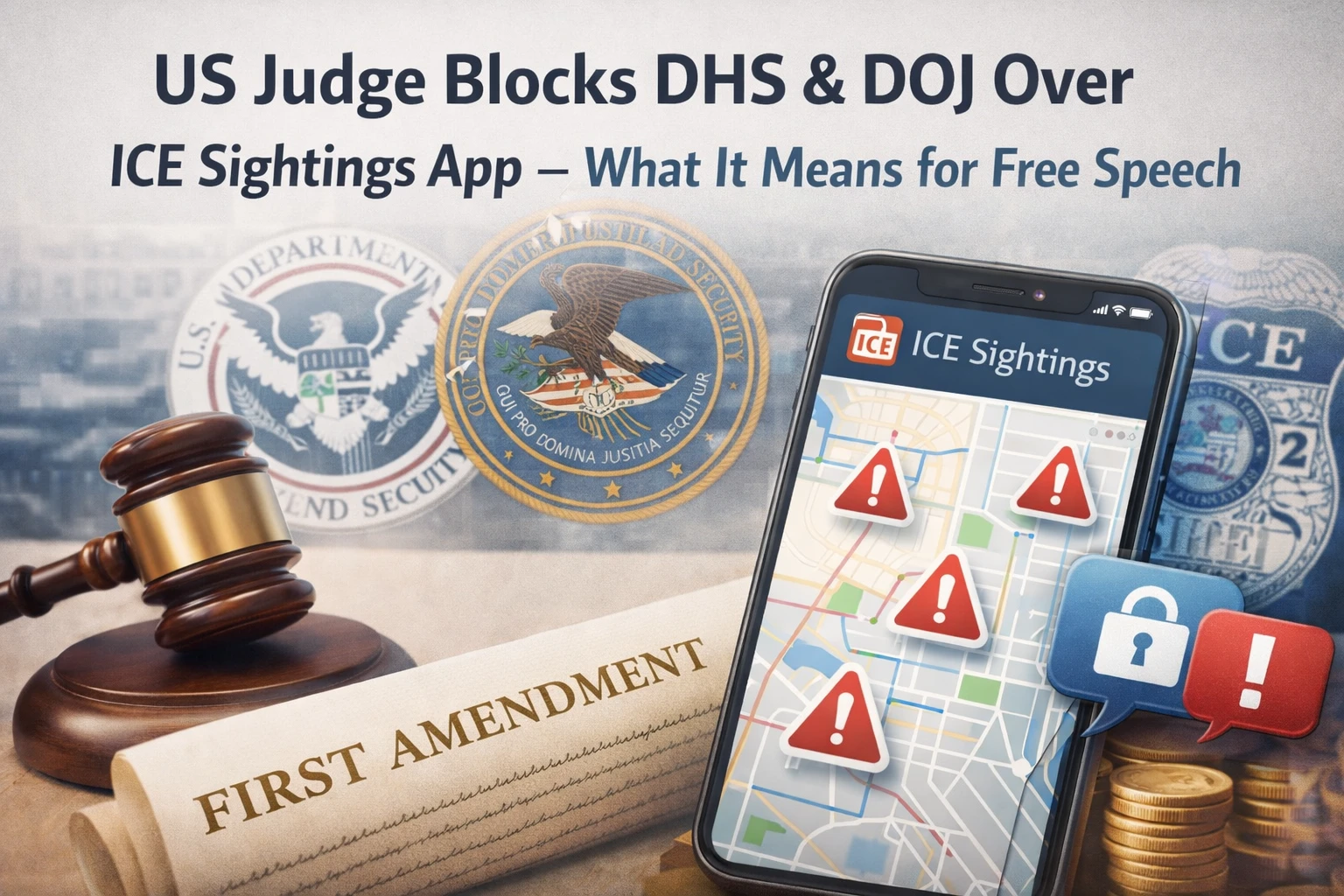
In a surprising move, a U.S. district court judge handed an injunction to the creators of a Facebook group called “ICE Sightings – Chicagoland” and the companion mobile app “Eyes Up”. The two had been forced offline by the Department of Homeland Security (DHS) and the Justice Department (DOJ) for allegedly violating immigration‑related laws. The judge said the government’s shutdown violated the First Amendment – the constitutional right to free speech.
The backstory in a nutshell
The Facebook group was set up in early 2023 to let Chicago residents share real‑time observations of U.S. Immigration and Customs Enforcement (ICE) activities. Users posted photos, videos and location tags of ICE vehicles, checkpoints and raids. The group quickly grew to over 30,000 members, and a few months later the developers launched “Eyes Up”, an iOS/Android app that aggregates the same data, adds a map view and sends push‑notifications when ICE shows up nearby.
Both platforms caught the eye of DHS, which argued that the content could jeopardise ongoing investigations and endanger officers. In February 2024 the agencies issued a cease‑and‑desist order and asked the platforms to shut down. The group was taken offline, the app was removed from the App Store, and the developers faced a potential civil penalty.
The court’s decision
Judge Emily Hart of the Northern District of Illinois ruled that the government’s action was not narrowly tailored to serve a compelling interest. She noted that the First Amendment protects even speech that is “unpleasant” or “politically charged”. The injunction restores the Facebook group and orders the government to pull the takedown notice for the Eyes Up app, allowing it to re‑appear on both app stores.
While the ruling does not give the developers a free pass to publish classified or truly dangerous intel, it does set a higher bar for future government attempts to silence online platforms that report on law‑enforcement activities.
Why Indian readers should care
India’s own tech landscape is dealing with a wave of content‑moderation and government‑directed takedowns. The Supreme Court’s recent judgments on the Right to Information and free speech have sparked debate about the limits of state power on digital platforms.
For Indian developers, the U.S. case serves as a cautionary tale: if you’re building an app that aggregates public‑domain data – even about police activity – you may still face government pressure. The key takeaway is that robust legal counsel and clear user‑terms can make the difference between a quick takedown and a courtroom victory.
What this means for everyday users
For the 30K‑plus members of the ICE Sightings group, the injunction is a win. They can once again post real‑time alerts, which many say helps communities stay safe and informed. The Eyes Up app, after a brief hiatus, will be back on the Play Store and Apple Store, offering a map‑based view of ICE locations – a feature that some civil‑rights groups argue is essential for public accountability.
However, users should remember that the app is not a law‑enforcement tool. It aggregates publicly shared data, which can be inaccurate or outdated. Sharing false sightings could lead to panic or even legal trouble under defamation laws.
TamilTech’s take
We think the judge’s order is a solid reminder that free speech isn’t just about political rallies; it also covers digital spaces where citizens crowd‑source information. In India, where apps like “Citizen” and “Janta” already map police activity, the U.S. ruling could inspire local courts to scrutinise government takedowns more closely.
That said, developers must walk a fine line. Over‑reliance on user‑generated data without verification can backfire, especially if it leads to harassment of law‑enforcement officers. A hybrid model – user reports plus official verification – would be the safest route.
What’s next?
The DHS and DOJ have filed an appeal, so the injunction could be stayed pending a higher‑court review. Meanwhile, the Eyes Up team is rolling out a “verified source” badge to help users spot reliable reports.
For Indian startups, the story underscores the importance of building legal resilience into your product roadmap from day one. Expect more debates in courts about where the line between public interest reporting and national‑security concerns truly lies.
Stay tuned – we’ll keep tracking the appeal and any ripple effects in India’s own digital‑rights arena.





Comments (0)
Be the first to comment!